How Virtualization Reduces IT Costs and Improves Efficiency

How Virtualization Reduces IT Costs and Improves Efficiency

Modern organizations rely heavily on IT infrastructure to run applications, store data, and manage daily operations. However, maintaining physical servers, storage systems, and networking hardware can quickly become expensive and complex. Businesses are now turning to virtualization technology to simplify their IT environments and significantly reduce operational costs.

A professional virtualization service in Florida helps organizations consolidate hardware, optimize resources, and improve performance while maintaining strong security and reliability. By converting physical systems into virtual environments, companies can operate more efficiently while scaling their infrastructure as their needs grow.

Virtualization is now considered one of the most effective strategies for improving IT efficiency, reducing hardware expenses, and supporting modern digital transformation initiatives.

If your organization wants to lower technology costs and increase operational efficiency, working with experts in virtualization services in Florida can help design and deploy scalable virtual environments tailored to your business needs.

Understanding Virtualization Technology

Virtualization is a technology that allows multiple virtual systems to run on a single physical server. Instead of relying on individual hardware for each application or operating system, virtualization software creates isolated virtual machines that share computing resources.

This approach dramatically improves resource utilization while reducing the number of physical servers required.

Key benefits include:

  • Reduced hardware costs
  • Improved system performance
  • Simplified IT management
  • Faster system deployment
  • Increased flexibility for scaling infrastructure

By implementing virtualization strategies, organizations can build agile IT environments that support modern business demands.

Lower Hardware and Infrastructure Costs

One of the most immediate advantages of virtualization is reduced hardware investment. Instead of purchasing multiple physical servers for different applications, businesses can run multiple virtual machines on fewer devices.

This reduces expenses associated with:

  • Hardware procurement
  • Data center space
  • Cooling systems
  • Power consumption
  • Hardware maintenance

Organizations often combine virtualization with cloud computing strategies to further reduce infrastructure costs while maintaining access to scalable resources.

When combined with a reliable cloud computing service in Florida, virtualization allows businesses to move workloads between on-premise systems and cloud platforms seamlessly.

Improved IT Efficiency and Resource Utilization

Traditional IT infrastructures often suffer from underutilized hardware. Physical servers may operate at only a fraction of their capacity while still consuming power and requiring maintenance.

Virtualization addresses this inefficiency by allocating computing resources dynamically based on demand.

This allows IT teams to:

  • Run multiple applications on one server
  • Allocate memory and CPU resources dynamically
  • Balance workloads across systems
  • Reduce idle hardware resources

Through these improvements, organizations achieve better operational efficiency and improved return on investment.

Enhanced Network Management

Virtual environments simplify network administration and monitoring. Instead of managing multiple isolated systems, IT teams can oversee infrastructure from centralized dashboards.

Professional network planning services help design virtual network environments that support optimal performance and security.

Once implemented, ongoing monitoring through a reliable network maintenance service ensures that systems remain stable and responsive.

Virtualization also simplifies network configuration, allowing administrators to deploy new environments quickly without extensive hardware installation.

Integration with Modern Workplace Platforms

Virtualization technologies integrate seamlessly with modern collaboration platforms such as the Microsoft 365 service in Florida. Organizations using cloud-based productivity tools can run supporting applications within virtual machines while maintaining centralized management.

A properly configured Microsoft 365 service environment enables secure document sharing, communication, and collaboration, while virtual infrastructure supports backend applications.

This combination creates a flexible digital workspace that improves productivity and simplifies IT management.

Improved Disaster Recovery and Business Continuity

Disaster recovery planning is essential for businesses that depend on digital infrastructure. Virtual environments simplify recovery processes by allowing entire systems to be backed up and restored quickly.

An effective IT disaster recovery service uses virtualization to replicate systems and create backup environments that can be activated during outages or cyber incidents.

Many organizations also implement onsite and offsite data backup strategies to ensure that critical data remains protected even if primary systems fail.

Virtual machines can be restored quickly, minimizing downtime and preventing operational disruptions.

Stronger Security in Virtual Environments

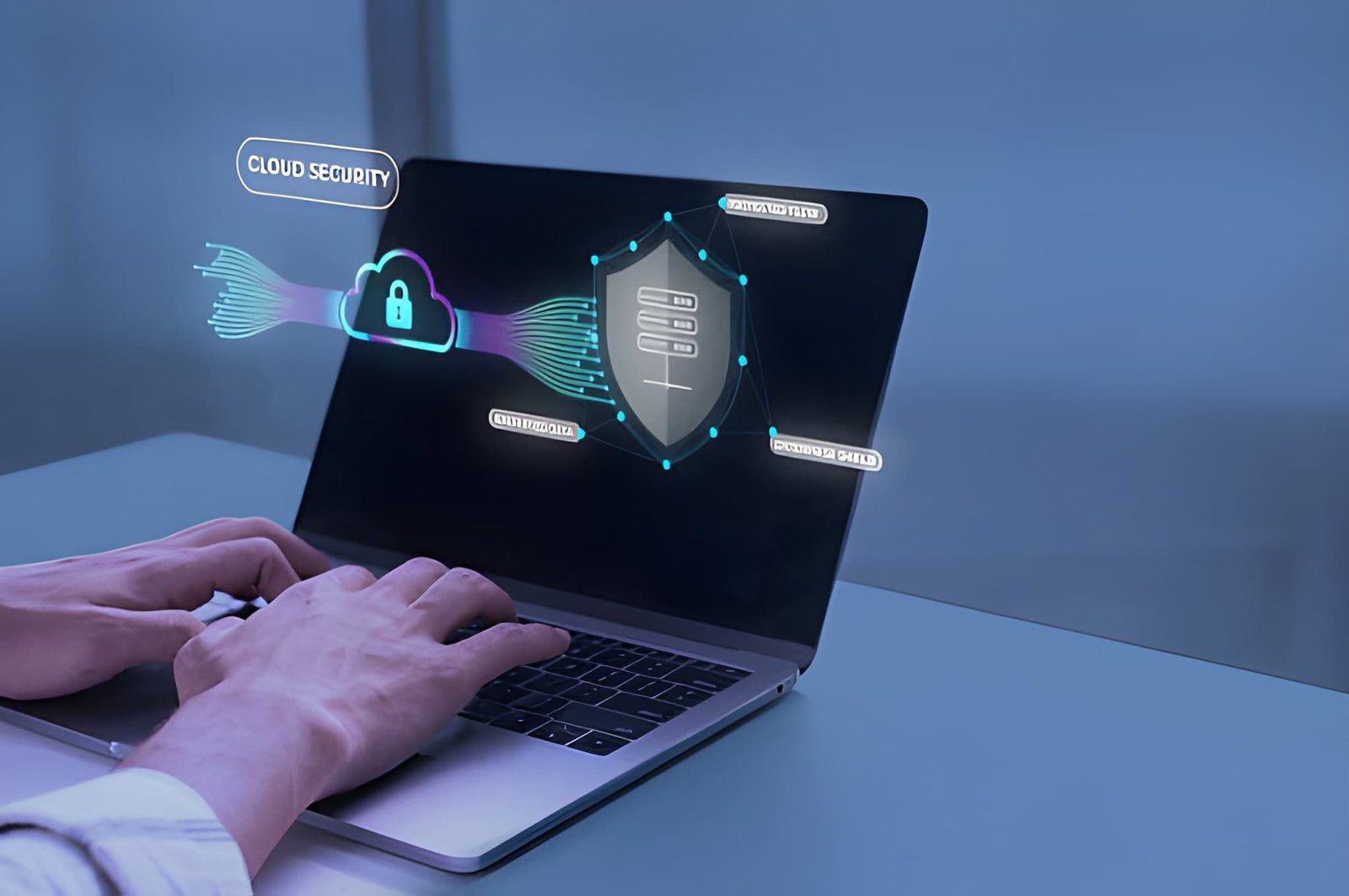
Security remains a major concern for modern businesses. Virtualization allows organizations to isolate systems and applications, reducing the risk of widespread cyber incidents.

When combined with a professional network security service in Florida, virtualization environments benefit from layered protection, including:

  • Network segmentation
  • Firewall management
  • Access control policies
  • Continuous monitoring

Security systems can also integrate with physical protection technologies such as the Verkada security system, which provides centralized monitoring for facilities and equipment.

A high-resolution Verkada security camera helps organizations monitor data centers, server rooms, and other sensitive areas, ensuring both digital and physical security.

Simplified Infrastructure Management

Virtual environments allow IT teams to manage servers, storage systems, and applications through centralized platforms.

Organizations often partner with experienced providers offering managed IT services in Florida solutions to maintain virtual environments, monitor performance, and perform updates.

A professional managed service provider can help with:

  • Virtual machine deployment
  • Resource optimization
  • Security updates
  • Infrastructure monitoring
  • System troubleshooting

This approach reduces internal IT workload while ensuring systems remain optimized and secure.

Businesses looking to improve efficiency and reduce infrastructure costs should consider implementing a secure virtualization service in Florida designed by experienced IT professionals.

Reduced Deployment Time for New Applications

Launching new applications or systems in traditional environments often requires purchasing hardware, installing operating systems, and configuring networks. Virtualization significantly accelerates this process.

IT teams can deploy new virtual machines within minutes rather than days or weeks.

This rapid deployment allows businesses to:

  • Test new applications quickly
  • Scale infrastructure as needed
  • Respond faster to market demands
  • Improve operational agility

The ability to quickly create new environments is particularly valuable for growing organizations and technology-driven industries.

Structured Infrastructure for Scalable Growth

Although virtualization reduces hardware requirements, a strong physical infrastructure is still essential. Reliable connectivity ensures virtual systems operate efficiently.

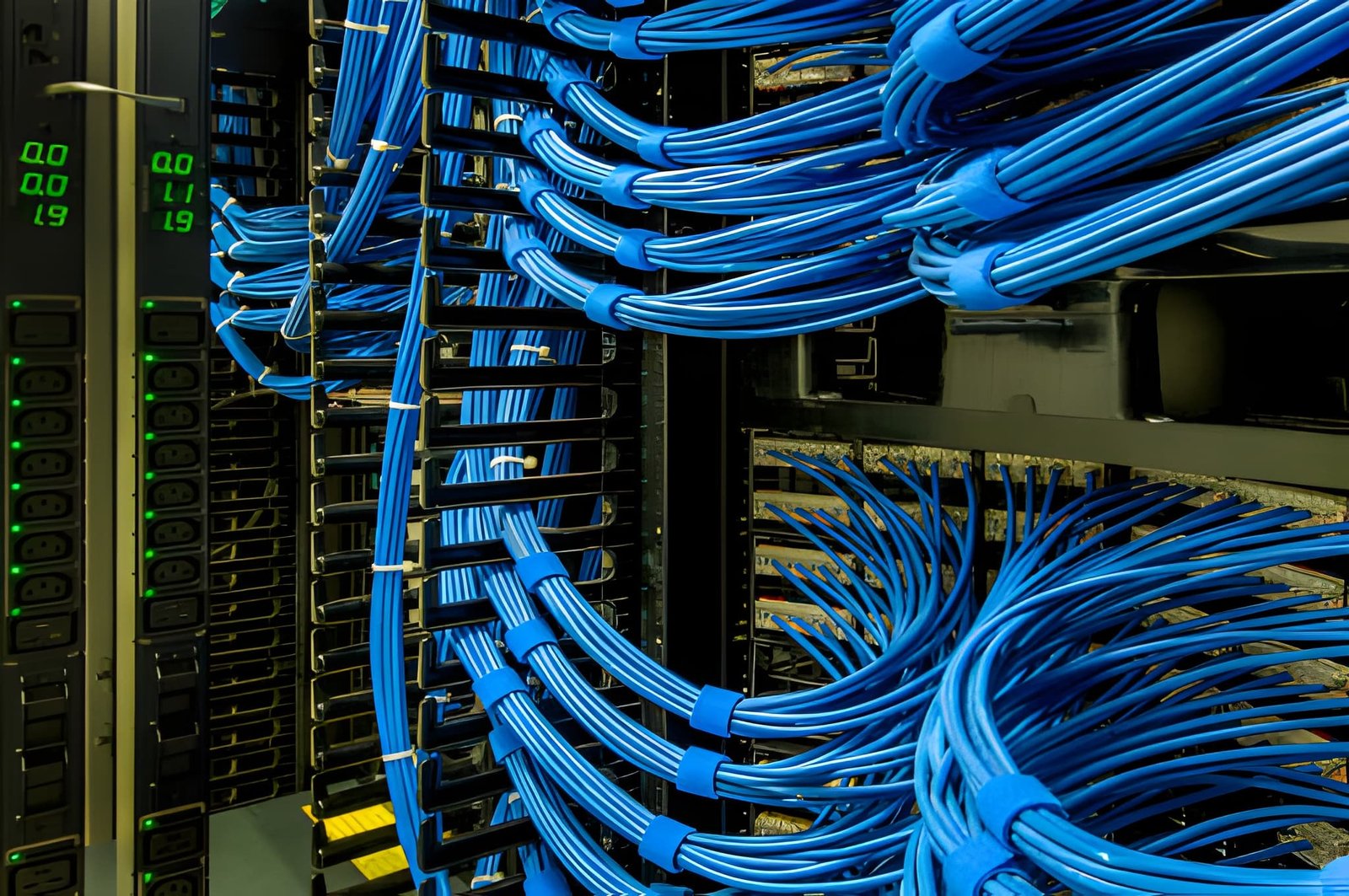
Partnering with a professional structured cabling company in Florida ensures that networks supporting virtualization environments are properly designed.

A high-quality structured cabling installation supports fast data transmission, reduces signal interference, and improves long-term reliability.

This physical foundation is critical for maintaining high-performance virtual infrastructures.

Project Management for Virtualization Deployment

Implementing virtualization infrastructure requires careful planning and coordination. Organizations often rely on a professional project management service in Florida to oversee deployment and ensure that systems are implemented correctly.

Using proven project management business practices helps organizations:

  • Coordinate IT teams and vendors
  • Control project timelines and budgets
  • Reduce implementation risks
  • Ensure infrastructure compatibility

Effective project management ensures that virtualization deployments are completed efficiently and without disruption to operations.

Virtualization and Cloud-Driven IT Strategies

Virtualization is often a stepping stone toward broader cloud transformation strategies. Businesses can migrate virtual machines to cloud platforms or maintain hybrid environments that combine local and cloud resources.

This flexibility allows organizations to scale their infrastructure quickly while maintaining control over critical systems.

Virtual environments also support modern technologies such as containerization, automation, and advanced analytics, making them an essential component of future-ready IT strategies.

Why Businesses Choose Virtualization

Organizations across industries are adopting virtualization for several compelling reasons:

  • Lower IT infrastructure costs
  • Improved system scalability
  • Faster deployment of applications
  • Enhanced disaster recovery capabilities
  • Simplified system management

When implemented correctly, virtualization transforms IT infrastructure from a cost center into a strategic business asset.

Want to reduce IT costs and modernize your infrastructure? Contact us to connect with specialists in virtualization services in Florida and discover how virtualization can transform your business technology environment.

Conclusion

Virtualization has become a fundamental technology for businesses seeking efficient, scalable, and cost-effective IT environments. By consolidating hardware resources and enabling flexible system management, virtualization dramatically improves operational efficiency.

Organizations that adopt virtualization gain the ability to scale their infrastructure, reduce operational costs, and strengthen their disaster recovery strategies. When combined with cloud platforms, strong network security, and expert IT management, virtualization becomes a powerful tool for digital transformation.

FAQs

What is virtualization in IT infrastructure?

Virtualization is a technology that allows multiple virtual machines to run on a single physical server, improving efficiency and reducing hardware costs.

How does virtualization reduce IT costs?

Virtualization reduces the need for physical hardware, lowers energy consumption, and simplifies system management, which significantly lowers operational expenses.

Is virtualization secure for business environments?

Yes. With proper configuration and network security measures, virtualization environments provide strong isolation, monitoring, and protection for applications and data.

Can virtualization support disaster recovery?

Virtual environments allow systems to be replicated and restored quickly, making disaster recovery faster and more reliable.

Should businesses use managed IT services for virtualization?

Yes. Managed IT providers ensure virtualization environments are properly configured, monitored, and maintained for optimal performance and security.

How Video Surveillance Integrates with Modern IT Networks

How Video Surveillance Integrates with Modern IT Networks

Video surveillance has evolved far beyond simple CCTV cameras recording footage to a local storage device. Today, surveillance systems are fully integrated with modern IT infrastructures, providing advanced monitoring, analytics, and cybersecurity capabilities. Organizations rely on intelligent camera systems connected to their networks to enhance security, improve operational visibility, and streamline incident response.

For businesses that rely on managed IT services in Florida, integrating surveillance systems into existing networks ensures scalability, reliability, and security. When implemented correctly, modern surveillance solutions become part of a unified IT ecosystem that includes cloud platforms, backup systems, and network management tools.

If your organization wants to integrate surveillance with enterprise-grade IT infrastructure, consider partnering with a trusted managed IT service Florida provider to design secure and scalable systems tailored to your business. Read more!

The Evolution of Video Surveillance Systems

Traditional CCTV setups relied on analog cameras connected through coaxial cables to local DVR systems. While functional, these systems were limited in scalability, remote accessibility, and integration with IT infrastructure.

Modern IP-based surveillance solutions have changed this landscape dramatically. Cameras now connect to secure networks and transmit high-definition video data to centralized servers or cloud platforms. This transformation allows organizations to combine surveillance with broader IT services such as cloud computing, advanced analytics, and remote monitoring.

Companies implementing enterprise surveillance solutions often collaborate with a structured cabling company in Florida to ensure reliable connectivity and performance across all camera endpoints.

Network Infrastructure as the Foundation

The backbone of any integrated surveillance system is a robust IT network. IP cameras rely on stable connectivity to transmit real-time video streams, which means businesses must carefully design their network architecture.

Key elements include:

  • High-capacity switches and routers to handle large volumes of video traffic
  • Secure segmentation to separate surveillance traffic from other business systems
  • Bandwidth optimization to prevent network congestion
  • Redundant connectivity for uninterrupted monitoring

Professional network planning services help organizations map out infrastructure requirements before deploying cameras, storage systems, and monitoring platforms.

Once the infrastructure is implemented, regular network maintenance services ensure that surveillance systems remain reliable and secure as technology evolves.

Structured Cabling and Physical Connectivity

Even in highly digital environments, physical infrastructure plays a critical role. Proper cabling ensures consistent connectivity between cameras, network switches, and monitoring systems.

A professional structured cabling installation ensures that surveillance hardware is properly connected, labeled, and scalable for future expansion. When done by experienced providers, structured cabling minimizes downtime and simplifies troubleshooting.

This is why many organizations partner with a specialized structured cabling company in Florida when deploying new surveillance networks.

Cloud-Enabled Video Surveillance

Cloud technology has transformed how organizations store and manage surveillance data. Instead of relying solely on local storage devices, businesses now use cloud platforms to archive footage, analyze data, and access video remotely.

Through a reliable cloud computing service in Florida, organizations can securely store large volumes of video data while maintaining quick access when needed.

Cloud-based systems offer several advantages:

  • Remote monitoring from any location
  • Scalable storage capacity
  • Automatic software updates
  • Simplified disaster recovery

Businesses leveraging cloud computing environments can easily integrate surveillance with other applications such as analytics platforms and business intelligence tools.

Cybersecurity Considerations in Surveillance Networks

With surveillance devices connected to corporate networks, cybersecurity becomes a critical concern. Cameras, storage servers, and monitoring applications must be protected from unauthorized access or potential cyber threats.

A dedicated network security service provider can implement multiple layers of protection, including:

  • Device authentication and access control
  • Encrypted data transmission
  • Network segmentation
  • Continuous monitoring for suspicious activity

By implementing these security practices, organizations can prevent vulnerabilities while maintaining compliance with industry regulations.

Integration with Modern IT Platforms

Today’s surveillance systems are not isolated technologies—they are integrated with broader IT ecosystems.

For example, many organizations connect their surveillance infrastructure to productivity tools like the Microsoft 365 service in Florida environments. Alerts, incident reports, and system notifications can be shared through collaboration platforms, improving response times and communication.

Cloud identity and access management solutions associated with the Microsoft 365 service also help IT administrators control who can access surveillance systems and sensitive footage.

This integration enhances operational efficiency while maintaining strict security standards.

Intelligent Surveillance and AI Analytics

Modern surveillance systems are increasingly powered by artificial intelligence and machine learning technologies.

Platforms like the Verkada security system provide intelligent video analytics that can detect unusual activity, identify motion patterns, and trigger automated alerts.

A Verkada security camera can capture high-resolution footage while simultaneously analyzing behavior patterns, helping organizations proactively respond to security incidents.

These AI-driven capabilities enable businesses to move beyond passive monitoring toward proactive threat detection.

Disaster Recovery and Data Protection

Security footage is often critical evidence for investigations, compliance requirements, or insurance claims. Losing this data can be extremely costly.

Organizations, therefore, rely on reliable disaster recovery service solutions to ensure surveillance data remains protected even during unexpected events such as system failures or cyberattacks.

In addition, companies implement on-site and off-site data backup strategies to maintain multiple copies of surveillance footage in secure locations.

Combining backup solutions with redundancy and cloud storage ensures that surveillance data remains accessible when it matters most.

Organizations planning to modernize their surveillance infrastructure should consult an experienced managed IT service provider in Florida to design secure, scalable solutions tailored to their operational needs.

Virtualization and Efficient Resource Management

Another trend in modern surveillance infrastructure is virtualization. Instead of relying on dedicated hardware for each system, businesses can deploy virtualized environments that host surveillance applications alongside other IT services.

Through virtualization service, organizations can run video management software on virtual machines, reducing hardware costs while improving scalability.

Virtualization also simplifies system upgrades and resource allocation, making it easier for IT teams to manage surveillance infrastructure alongside other enterprise applications.

Role of Managed IT Services in Surveillance Integration

Successfully integrating surveillance systems into IT networks requires expertise in networking, cybersecurity, infrastructure design, and software integration.

This is where professionally managed IT service providers play a crucial role.

A reliable managed IT service partner in Florida can:

  • Design surveillance network architecture
  • Implement secure camera connectivity
  • Monitor system performance
  • Provide ongoing support and upgrades
  • Ensure compliance with security standards

Managed IT teams also coordinate with security vendors, networking specialists, and facility managers to ensure smooth implementation.

Project Management for Surveillance Deployment

Deploying an enterprise surveillance system is a complex undertaking involving hardware installation, network configuration, software deployment, and security testing.

A structured project management service in Florida ensures that the implementation process stays organized and efficient.

From procurement and installation to system integration and testing, effective project management business practices help organizations avoid delays, budget overruns, and technical issues.

The Future of Integrated Surveillance Networks

As digital transformation continues, surveillance technology will become even more integrated with broader IT ecosystems.

Emerging trends include:

  • Edge computing for real-time analytics
  • AI-powered threat detection
  • Integration with smart building systems
  • Automated incident response workflows

Organizations investing in modern surveillance infrastructure today will be better positioned to adopt these innovations in the future.

When supported by secure networks, cloud platforms, and expert IT management, surveillance systems can deliver far more than basic monitoring—they become powerful tools for business intelligence and operational security.

Want to modernize your surveillance infrastructure and strengthen your network security? Visit our Contact page to speak with experts in managed IT services in Florida and start building a smarter, more secure IT environment for your business.

Conclusion

Video surveillance has transformed from isolated camera systems into an essential component of modern IT infrastructure. When integrated with networks, cloud platforms, and cybersecurity frameworks, surveillance systems provide organizations with enhanced visibility, data protection, and operational efficiency.

However, achieving this integration requires careful planning, reliable infrastructure, and expert IT support. Businesses that partner with experienced providers can build surveillance systems that are scalable, secure, and future-ready.

FAQs

How does video surveillance integrate with IT networks?

Modern surveillance systems use IP cameras connected to corporate networks, allowing video data to be transmitted, stored, and analyzed through centralized servers or cloud platforms.

Why is network security important for surveillance systems?

Without proper security controls, connected cameras and storage systems can become entry points for cyber threats. Professional network security services help protect these systems.

What role does cloud technology play in surveillance?

Cloud platforms enable scalable storage, remote access to footage, automated updates, and easier integration with other IT applications.

Can surveillance systems integrate with business productivity tools?

Yes. Many modern surveillance platforms integrate with enterprise applications like collaboration tools and identity management systems to streamline incident response.

Why should businesses use managed IT services for surveillance?

Managed IT providers ensure proper network design, secure system integration, ongoing monitoring, and maintenance to keep surveillance infrastructure reliable and protected.

Essential Cybersecurity Practices for Small Businesses in 2026

Essential Cybersecurity Practices for Small Businesses in 2026

As technology advances, so do cyber threats. In 2026, small businesses face a complex landscape of digital risks ranging from ransomware attacks to phishing scams. Unlike large enterprises, small businesses often operate with limited IT resources, making them attractive targets for cybercriminals. Implementing robust cybersecurity practices is no longer optional; it is essential for survival, regulatory compliance, and customer trust.

A comprehensive approach combines technical safeguards, employee training, and proactive IT management. This article explores essential cybersecurity practices for small businesses in 2026, highlighting strategies, tools, and services that protect business assets while enabling growth.

Partner with an experienced cybersecurity consultant to safeguard your small business from evolving cyber threats. Schedule a consultation now.

Why Cybersecurity Matters for Small Businesses

Many small businesses underestimate their vulnerability. Statistics show that nearly 60% of small businesses that experience a major cyberattack close within six months. Cybersecurity breaches can lead to:

  • Loss of sensitive data
  • Financial losses and legal liabilities
  • Operational downtime
  • Damage to brand reputation

In 2026, threats are increasingly sophisticated. Malware, ransomware, and social engineering attacks exploit weak points in networks and employee practices. Therefore, investing in cybersecurity early is critical.

1. Implement Network Security Measures

The first step in cybersecurity is protecting your network infrastructure. Small businesses must ensure secure network design, monitoring, and management. This includes using firewalls, intrusion detection systems, and endpoint security.

Working with a network security service in Florida ensures professional monitoring and rapid response to threats. Network segmentation, secure VPNs for remote access, and regular vulnerability scans further strengthen defenses.

Additionally, structured cabling provides a reliable foundation for network security. Companies relying on structured cabling in Florida or a structured cabling company in Florida benefit from organized networks that reduce the risk of accidental breaches due to misconfigured hardware. Coordinating with a network cabling service ensures proper installation and maintenance.

2. Secure Cloud Services

Cloud adoption is growing among small businesses due to cost efficiency and scalability. Platforms like the Microsoft 365 service in Florida and the Microsoft 365 cloud service enable collaboration and data management, but cloud security is paramount.

Businesses should ensure cloud accounts are secured with multi-factor authentication (MFA), strong passwords, and role-based access controls. Partnering with a trusted cloud computing service provider can help implement policies that prevent unauthorized access, data leakage, or compliance violations.

3. Maintain Regular IT and Network Maintenance

Routine maintenance is essential to cybersecurity. Updating software, patching vulnerabilities, and reviewing access logs minimize risk. A managed IT service Florida or a general managed IT service provider can monitor system health, implement updates, and ensure your network adheres to best practices.

Regular network maintenance service ensures network components, from servers to endpoints, remain secure. Proper network planning in Florida allows businesses to scale safely while maintaining robust security.

4. Employee Training and Awareness

Human error remains the leading cause of cyber incidents. Employees need ongoing training to recognize phishing emails, suspicious links, and unsafe practices. Regular cybersecurity awareness programs instill a culture of vigilance.

Best practices include:

  • Simulated phishing exercises
  • Password management training
  • Protocols for reporting suspicious activity

A knowledgeable workforce complements technical controls and reduces the likelihood of breaches.

Small businesses in Florida can safeguard their digital assets with expert guidance. Connect with a cyber security consultant to develop a comprehensive cybersecurity strategy. Request your consultation today.

5. Implement Strong Access Controls

Limiting access to sensitive systems is crucial. Role-based access control ensures that employees only have the permissions required for their duties. Multi-factor authentication (MFA) adds an extra layer of protection, particularly for remote workers or cloud-based applications.

6. Backup and Disaster Recovery Planning

Data loss is a critical risk for small businesses. A solid IT disaster recovery plan ensures rapid recovery from cyberattacks, hardware failures, or natural disasters. Partnering with providers offering IT disaster recovery services can help businesses implement:

  • Regular automated backups
  • Off-site or cloud storage
  • Recovery procedures are tested periodically

Disaster recovery planning minimizes downtime and protects customer data.

7. Physical and Surveillance Security

Cybersecurity is not limited to software. Physical access to servers, network equipment, and sensitive data must be controlled. Modern security systems like the Verkada security system integrate physical security with cloud monitoring. For those unfamiliar, what is Verkada? Verkada provides cloud-managed security cameras and access control systems, making it easier to monitor office environments.

Verkada surveillance cameras allow real-time monitoring and recording of office premises, helping prevent unauthorized access or tampering with critical IT infrastructure.

8. Secure Virtual Environments

Virtualization provides flexibility and efficiency, but also introduces security risks if misconfigured. Businesses utilizing virtualization service Florida must implement robust policies, patch management, and network segmentation to prevent lateral attacks across virtual machines.

9. Compliance and Regulatory Awareness

Small businesses handling customer data must comply with regulations such as GDPR, CCPA, or industry-specific mandates. Maintaining compliance requires:

  • Proper data handling policies
  • Encryption of sensitive data
  • Regular audits and reporting

Failing to comply can result in financial penalties and reputational damage.

10. Partner with Professionals

A cyber security consultant can provide expertise in risk assessment, policy creation, and system implementation. Additionally, integrating IT infrastructure professionals who specialize in structured cabling, network cabling service, and project management service in Florida ensures that both security and operational efficiency are addressed simultaneously.

Working with experts allows small businesses to implement layered defenses, including firewalls, endpoint protection, surveillance, and cloud security, while reducing operational burden on internal staff.

Protect your small business from cyber threats with professional guidance. Engage a network security service Florida team today. Schedule a cybersecurity assessment now.

Additional Cybersecurity Practices

Regular Audits and Vulnerability Scans

Continuous auditing identifies weak points in networks, cloud services, and employee behavior. Vulnerability scanning ensures that software and hardware are up-to-date and free from exploitable flaws.

Incident Response Planning

A formalized incident response plan prepares businesses to act swiftly in the event of a breach. Clear procedures for containment, investigation, and recovery reduce damage and downtime.

Endpoint Security

All devices connected to the network, including laptops, smartphones, and IoT devices, must be protected with antivirus software, firewalls, and monitoring systems.

Encryption

Data in transit and at rest should be encrypted to prevent interception or theft. This includes emails, files, and cloud-stored documents.

Integrating IT Infrastructure and Security

Small businesses should treat cybersecurity as part of an overall IT strategy. Well-structured networks with professional cabling, organized device management, and proper network planning in Florida contribute to stronger security. A structured cabling company in Florida can help install and organize hardware efficiently, minimizing vulnerabilities caused by poor wiring or unmanaged devices.

Combining this foundation with cloud services, managed IT support, and surveillance systems creates a comprehensive cybersecurity framework. Leveraging managed IT service Florida ensures continuous monitoring, maintenance, and support without the need for full-time internal IT staff.

Future-Proofing Cybersecurity

As cyber threats evolve, small businesses must remain proactive. Emerging technologies, including AI-driven threat detection, automated monitoring, and advanced cloud security tools, offer new ways to protect data. Businesses that invest in continuous learning, system updates, and professional guidance are better positioned to withstand attacks in 2026 and beyond.

Visit our Contact us page to speak with experts in cybersecurity, cloud solutions, and IT infrastructure. Protect your small business today.

Conclusion

Cybersecurity for small businesses in 2026 is no longer optional. Implementing layered defenses, covering network security, cloud protection, employee awareness, access control, disaster recovery, and physical security, is essential. Partnering with professionals, including a cyber security consultant and a network security service in Florida, ensures that small businesses can protect their digital assets while focusing on growth.

By combining proper IT planning, managed services, and proactive monitoring, small businesses can build resilient and secure operations capable of meeting modern challenges.

FAQs

Why is cybersecurity important for small businesses?

Small businesses are frequent targets for cyberattacks due to limited security resources. Cybersecurity protects sensitive data, prevents financial loss, and ensures business continuity.

What is the role of a cybersecurity consultant?

A cyber security consultant assesses risks, develops security strategies, implements defenses, and ensures compliance with regulations.

How does structured cabling help cybersecurity?

Structured cabling organizes network hardware efficiently, reduces configuration errors, and provides a reliable foundation for secure communications.

What is the importance of disaster recovery planning?

Disaster recovery ensures that a business can quickly recover from cyberattacks, system failures, or data loss, minimizing downtime and financial impact.

Are cloud services secure for small businesses?

Yes, when properly configured with multi-factor authentication, access controls, and professional guidance, cloud services like Microsoft 365 are secure and reliable.

IT Requirements for Law Firms: Security, Compliance & Reliable Networks

IT Requirements for Law Firms: Security, Compliance & Reliable Networks

Law firms operate in one of the most data-sensitive professional environments. From confidential client communications and financial records to privileged case files and court documentation, every digital asset must be protected with precision. At the same time, attorneys rely on uninterrupted access to systems, secure collaboration tools, and reliable networks to meet strict deadlines and client expectations.

This is why many legal practices, from boutique firms to multi-office law groups, are turning to managed IT service florida providers to meet modern security, compliance, and performance requirements. A professional managed service doesn’t just maintain systems; it creates a secure, compliant, and resilient IT foundation designed specifically for the legal industry.

In this article, we’ll break down the most critical IT requirements for law firms and explain how managed IT services help legal professionals stay secure, compliant, and productive.

Worried about protecting client confidentiality or meeting compliance standards? A specialized managed IT consultation can uncover vulnerabilities in your law firm’s systems and help you build a secure, reliable IT environment tailored to legal workflows.

Why Law Firms Need Industry-Specific IT Solutions

Law firms are prime targets for cybercriminals. Legal data is valuable, often unencrypted, and time-sensitive, making it attractive for ransomware attacks and data theft. Unlike general businesses, law firms must also uphold ethical obligations related to client confidentiality and data handling.

A managed IT service Florida partner understands these pressures and delivers proactive monitoring, risk mitigation, and compliance-driven IT strategies. Rather than relying on reactive fixes, firms gain continuous oversight, predictable costs, and expert guidance through a managed IT consulting service model designed for legal environments.

Security is the cornerstone of law firm IT. Breaches don’t just cause downtime; they erode trust and may lead to malpractice claims or regulatory penalties.

Working with a dedicated cybersecurity consultant ensures your firm’s systems are evaluated for real-world threats, including phishing, ransomware, and insider risks. These experts design layered defenses that include firewalls, endpoint protection, secure authentication, and continuous monitoring.

A comprehensive cybersecurity service is especially critical for firms that support remote work, digital discovery, and cloud-based case management tools.

Network Security and Compliance Readiness

Law firms must ensure that only authorized users can access sensitive systems and data. A professionally managed network security service in Florida helps enforce access controls, monitor unusual activity, and prevent unauthorized intrusions.

Security also extends beyond software. Law firms must comply with industry regulations, client contractual obligations, and ethical standards. Managed IT providers document controls, maintain audit logs, and ensure consistent enforcement of security policies, reducing compliance risk.

Structured Cabling and Reliable Office Infrastructure

A secure network starts with proper physical infrastructure. Poor cabling can lead to outages, bottlenecks, and even security vulnerabilities.

Professional structured cabling Florida solutions provide organized, scalable, and secure wiring for legal offices. By working with a certified structured cabling company in Florida, law firms ensure clean installations that support secure data transmission and future expansion.

A high-quality network cabling service also improves system reliability and reduces troubleshooting time, critical for fast-paced legal environments.

Not sure if your current IT setup can withstand a cyber incident or outage? A managed IT assessment can reveal weaknesses in your security, network, and recovery strategy, before they disrupt your firm.

Network Planning and Ongoing Maintenance

Technology planning is essential for law firms that are growing, adding staff, or opening new locations. Strategic network planning in Florida ensures systems are designed to support secure document management, video conferencing, and cloud access.

Once deployed, the ongoing network maintenance service keeps systems running smoothly through proactive updates, monitoring, and performance optimization, preventing downtime during critical legal operations.

Secure Cloud and Microsoft 365 for Law Firms

Modern law firms depend on collaboration tools, secure email, and document sharing. Cloud solutions can support these needs, but only when implemented correctly.

A trusted Microsoft 365 service florida provider in Florida can configure Microsoft 365 to support secure communication, role-based access, and encrypted data handling. Combined with a compliant Microsoft 365 cloud service, attorneys gain flexibility without compromising confidentiality.

Partnering with a certified cloud computing service provider ensures your firm’s cloud environment meets legal security standards while enabling remote work and seamless collaboration.

Downtime is costly for law firms. Missed deadlines, inaccessible case files, or system failures can directly impact legal outcomes.

Professional IT disaster recovery services ensure that your firm’s data is securely backed up and quickly recoverable. A well-tested disaster recovery plan protects against ransomware, hardware failure, and natural disasters, keeping legal operations running when it matters most.

Managed IT providers regularly test recovery plans to ensure systems can be restored efficiently under real-world conditions.

Physical Security and Smart Surveillance Systems

Law firms must also protect physical spaces where sensitive data is stored. Modern security solutions integrate seamlessly with IT systems to provide visibility and control.

A Verkada security system offers cloud-managed surveillance and access control designed for professional environments. For firms asking what Verkada is, it’s a modern, encrypted platform that centralizes physical security management. Verkada surveillance cameras provide high-resolution monitoring with secure access controls, supporting compliance and internal accountability.

Virtualization for Secure and Scalable IT

Virtualization allows law firms to run multiple secure systems on fewer physical servers, reducing costs while improving resilience.

A virtualization service enables better workload isolation, faster system recovery, and simplified management. Virtual environments also support secure testing, upgrades, and remote access, without exposing core systems.

Project Management for IT Upgrades and Transitions

Technology projects in law firms, such as system migrations, security upgrades, or office expansions, require careful coordination.

A professional project management service in Florida ensures IT initiatives are completed on time, within budget, and in compliance with legal requirements. Managed IT providers oversee planning, execution, documentation, and risk management, minimizing disruption to legal workflows.

Why Law Firms Choose Managed IT Services in Florida

Florida law firms face unique challenges, including remote work demands, hurricane preparedness, and strict client confidentiality expectations. A local managed service florida provider in Florida understands these risks and delivers region-specific solutions.

By partnering with experts offering managed IT services, law firms gain predictable IT costs, proactive support, and confidence that their technology supports, not hinders, their legal practice.

Ready to secure your law firm’s IT and protect client trust? Visit our Contact page to speak with a managed IT specialist and start building a more secure, compliant, and reliable legal IT environment.

Conclusion

Law firms can no longer afford reactive or fragmented IT management. Security threats, compliance obligations, and performance expectations demand a proactive, professionally managed approach.

By leveraging managed IT services tailored to the legal industry, firms can protect confidential data, ensure compliance, and maintain reliable systems that support attorneys and staff alike. The right IT partner becomes an extension of your firm, helping you focus on legal excellence while technology runs securely in the background.

Frequently Asked Questions (FAQs)

Why do law firms need managed IT services?

Managed IT helps law firms protect sensitive data, meet compliance obligations, and maintain reliable systems without relying on internal IT staff.

Are cloud services safe for law firms?

Yes, when configured correctly with security controls, encryption, and access management by a qualified provider.

How does managed IT improve cybersecurity?

Managed IT provides continuous monitoring, threat detection, and proactive risk mitigation tailored to legal data environments.

What happens if a law firm experiences a system outage?

With proper disaster recovery planning, systems and data can be restored quickly to minimize disruption and missed deadlines.

Can small law firms benefit from managed IT?

Absolutely. Managed IT offers scalable, cost-effective security and support that smaller firms often cannot maintain in-house.

Structured Cabling vs Wireless: Which Is Better for Office Infrastructure?

Structured Cabling vs Wireless: Which Is Better for Office Infrastructure?

In today’s digital-first workplace, reliable network infrastructure is no longer optional; it is essential. From cloud-based productivity tools to real-time communication, file storage, and security monitoring, modern offices depend on seamless connectivity. 

The foundation of this connectivity is the office network, and businesses must decide between two primary approaches: structured cabling and wireless networking. Both serve critical functions but differ in reliability, performance, scalability, security, and long-term value.

Understanding these differences is essential for organizations seeking to design or upgrade their office infrastructure. This article provides a comprehensive analysis of structured cabling and wireless networks, explores their advantages and limitations, and discusses their appropriate applications in modern workplaces.

A professional structured cabling company that Florida businesses trust can help design infrastructure that scales with your growth. Talk to an expert today and future-proof your network. 

What Is Structured Cabling?

Structured cabling is a standardized, organized approach to installing and managing network cabling within a building or campus. Instead of running individual cables for each device or service, structured cabling uses a unified system that supports data, voice, video, and other network services through a common infrastructure.

Core Elements of Structured Cabling

Structured cabling systems are built using several interconnected components:

  • Horizontal cabling that runs from workstations to telecommunications rooms
  • Backbone cabling that connects floors, equipment rooms, and buildings
  • Patch panels and network racks for organization and management
  • Telecommunications rooms and equipment rooms for switches and servers

Standards such as TIA/EIA ensure compatibility, performance, and long-term reliability. Once installed, structured cabling creates a clean, scalable foundation that can support changing technologies without requiring complete rewiring.

What Is Wireless Networking?

Wireless networking enables devices to connect to a network without physical cables. Wi-Fi, the most common wireless technology, uses radio frequencies to transmit data between access points and devices such as laptops, tablets, smartphones, and IoT devices. Wireless networks have grown essential in offices because they allow employees to move freely, support flexible workspaces, and provide guest access without extensive cabling.

Unlike structured cabling, wireless networks depend on signal strength, interference levels, and device density. A well-designed IT network can serve hundreds of users, but performance can fluctuate depending on environmental factors, obstacles, and competing signals.

Performance and Reliability

When it comes to performance, structured cabling consistently outperforms wireless networks. Wired connections deliver predictable bandwidth, low latency, and minimal packet loss because data travels through physical cables rather than the air. This makes structured cabling ideal for applications such as file servers, cloud platforms, VoIP systems, video conferencing, and any service that requires real-time communication or high-volume data transfer.

Wireless networks offer convenience and mobility, but often face performance fluctuations. Signal strength can weaken over distance or through walls, and multiple users sharing the same access point may experience reduced speeds during peak hours. 

Although modern Wi-Fi standards provide high theoretical speeds, real-world performance is less predictable than wired connections. Reliability is another key differentiator. Wired networks are generally more stable and less susceptible to interference or environmental changes. 

Want a smarter, more secure network? Our experts combine structured cabling and wireless solutions with enterprise-grade design. Schedule a consultation today to optimize your office infrastructure.

Scalability and Future-Proofing

Structured cabling is inherently scalable and designed for long-term use. A well-planned cabling infrastructure can support higher bandwidth requirements, new technologies, and additional devices without the need for complete rewiring. For businesses that plan to grow or adopt new applications, structured cabling provides a foundation that can support evolving network demands over a decade or more.

Wireless networks are easy to scale in the short term because adding new devices does not require additional cables. However, as the number of users increases, the network may need more access points, upgraded controllers, or even a redesign to maintain performance.

In high-density office environments, this can introduce complexity that makes wireless networks harder to manage at scale.

Security Considerations

Security is a crucial aspect of office networks, and wired and wireless networks differ significantly in this area. Structured cabling provides strong inherent security because physical access is required to connect to the network. Unauthorized users cannot gain access remotely without connecting to a specific port, making it ideal for sensitive data, financial systems, healthcare information, and other critical applications.

Wireless networks are more vulnerable due to the broadcast nature of Wi-Fi signals. Without proper encryption and authentication, networks can be accessed by outsiders, intercepted, or manipulated. 

Advanced cybersecurity protocols, monitoring, and network segmentation are necessary to mitigate these risks. While secure wireless networks are achievable, they generally require more maintenance and vigilance than wired networks.

Cost Considerations

The cost of implementing a network depends on both initial deployment and long-term maintenance. Structured cabling often requires a higher upfront investment due to materials, labor, and planning. However, its longevity and reliability mean that over time, costs tend to stabilize. Maintenance is straightforward, upgrades can often be completed without changing the cabling, and performance remains consistent over the network’s lifespan.

Wireless networks have lower initial costs, especially for small offices or temporary setups, but long-term expenses can rise due to hardware upgrades, access point additions, and ongoing management. Performance tuning and security enhancements may also add to operational costs over time.

Supporting Modern Office Applications

Today’s offices rely on more than just basic connectivity.

Structured cabling also plays a critical role in supporting its disaster recovery strategies and comprehensive IT disaster recovery services, ensuring systems can be restored quickly during outages.

Flexibility and Mobility

Wireless networking excels in supporting mobile workstyles. In open offices, hot-desking environments, or spaces with frequent guest access, wireless networks allow employees to connect from anywhere without restrictions. Structured cabling, on the other hand, is best suited for fixed workstations, servers, storage systems, and security equipment. 

While wired connections are less flexible, they provide the stability and reliability required for mission-critical systems.

In practice, most modern offices adopt a hybrid approach that leverages the strengths of both technologies. The structured cabling backbone ensures consistent performance and security, while wireless networks offer the flexibility required for mobile and collaborative work environments.

Maintenance and Management

Structured cabling requires minimal maintenance once installed. Proper documentation and labeling allow network administrators to quickly identify issues, make upgrades, or add new devices without disrupting the existing infrastructure. 

Wireless networks, by contrast, demand continuous monitoring to ensure coverage, manage interference, and maintain security. Changes in office layout, increased user density, or environmental interference may require adjustments to access point placement and network configuration.

Environmental and Physical Factors

Physical layout and environmental factors influence network performance. Wireless signals can be blocked or degraded by walls, metal structures, or other electronic equipment, while wired connections remain unaffected. In buildings with multiple floors, large spaces, or dense office arrangements, structured cabling provides predictable, stable connectivity that is less influenced by environmental variables.

Choosing Between Structured Cabling and Wireless

There is no single answer that applies to all organizations. The best solution depends on:

  • Business size and growth plans
  • Types of applications used
  • Security requirements
  • Budget constraints
  • Office layout and user behavior

Structured cabling generally offers superior performance, reliability, and security. Wireless networking provides flexibility and mobility. In most cases, combining both results in the most effective office network.

Visit our About page to speak with specialists who design secure, scalable, and future-ready office infrastructure. Get started today.

Conclusion

Structured cabling and wireless networking each have distinct advantages and limitations. Structured cabling offers reliability, consistent performance, security, and scalability, making it ideal for long-term, mission-critical infrastructure. 

Wireless networking provides flexibility, mobility, and convenience, which are essential in modern, dynamic office environments. Understanding the technical differences and operational implications of both systems allows organizations to design networks that meet current needs and adapt to future growth.

FAQs

Is structured cabling still relevant with modern Wi-Fi?

Yes. Structured cabling remains essential for performance, security, and supporting core systems even in wireless-heavy environments.

Can structured cabling and wireless work together?

Absolutely. Most offices use structured cabling as the backbone, with wireless for mobility and convenience.

How long does structured cabling last?

When installed properly, structured cabling can last 10–15 years or more with minimal upgrades.

Is wireless networking secure enough for businesses?

It can be, but only with proper encryption, access controls, and monitoring in place.

Who should design my office network?

A professional IT and network infrastructure provider ensures your system is scalable, secure, and aligned with business needs.

How Healthcare Practices Can Meet HIPAA-Level Security with Managed IT

How Healthcare Practices Can Meet HIPAA-Level Security with Managed IT

Healthcare organizations face immense pressure to protect patient data while keeping systems available, compliant, and efficient. HIPAA violations can lead to steep fines, reputational damage, and operational disruption, especially as cyberattacks grow more sophisticated. This is why many clinics, private practices, and healthcare networks are turning to managed IT service florida providers in Florida to strengthen security, ensure compliance, and modernize IT infrastructure without overburdening internal teams.

A well-designed managed IT strategy does more than “fix computers.” It creates a secure, monitored, and compliant technology environment aligned with HIPAA’s administrative, technical, and physical safeguards. In this article, we’ll explore how healthcare practices can meet HIPAA-level security requirements using a managed IT service, what services matter most, and why partnering with the right provider makes all the difference.

Concerned about HIPAA compliance gaps in your current IT setup? Schedule a consultation with a trusted managed IT provider to assess risks, strengthen security controls, and ensure your practice stays compliant, without disrupting patient care.

Understanding HIPAA Security Requirements

HIPAA’s Security Rule is built around three pillars:

  1. Administrative Safeguards – policies, procedures, and risk management
  2. Technical Safeguards – access controls, encryption, audit logs
  3. Physical Safeguards – secure facilities and device protection

Meeting these requirements consistently is challenging, especially for small to mid-sized healthcare organizations. This is where managed it service florida managed it service models provide measurable value. Instead of reacting to issues, providers proactively manage systems, monitor threats, and enforce compliance best practices.

Why Managed IT Is Essential for Healthcare Practices

Healthcare IT environments are complex: electronic health records (EHRs), imaging systems, billing software, telehealth platforms, and connected medical devices all generate sensitive data. A single vulnerability can expose thousands of patient records.

A managed IT consulting service helps healthcare organizations move from fragmented IT management to a centralized, security-first approach. These services typically include:

  • 24/7 monitoring and threat detection
  • HIPAA-aligned security policies
  • Secure access management
  • Regular compliance reporting
  • Proactive system updates and patching

By outsourcing to specialists, healthcare practices reduce risk while freeing internal staff to focus on patient outcomes.

Proactive Cybersecurity: A HIPAA Necessity

Cybersecurity is no longer optional in healthcare; it’s foundational. Ransomware attacks on hospitals and clinics have increased sharply, often exploiting outdated systems or misconfigured networks.

A qualified cybersecurity consultant working within a managed IT framework helps healthcare organizations identify vulnerabilities before attackers do. This includes firewall management, intrusion detection, endpoint protection, and vulnerability assessments. For practices seeking localized expertise, network security service florida providers in Florida understand regional compliance requirements and industry-specific risks.

In addition, a comprehensive cybersecurity service ensures encryption of data at rest and in transit, a critical HIPAA requirement.

Not sure if your cloud or Microsoft 365 environment is HIPAA-compliant? A managed IT assessment can uncover hidden risks and optimize your systems for both security and productivity.

Secure Infrastructure: Cabling, Networks, and Planning

HIPAA compliance isn’t only about software; it also depends on how physical and logical networks are designed. Poorly planned infrastructure can expose sensitive data or create system downtime.

A professional structured cabling Florida solution ensures that data flows efficiently and securely throughout a healthcare facility. Working with a certified structured cabling company in Florida helps eliminate signal interference, unauthorized access points, and scalability issues.

Healthcare organizations also benefit from expert network cabling service implementation combined with strategic network planning florida, ensuring systems can support growth, telemedicine, and future technologies. Ongoing network maintenance service ensures uptime and consistent performance.

Cloud Security and Microsoft 365 for Healthcare

Cloud adoption has transformed healthcare operations, but it must be implemented securely. HIPAA allows cloud usage, as long as proper safeguards are in place.

A Microsoft 365 service florida provider in Florida can configure Microsoft 365 to meet HIPAA requirements, including secure email, access controls, and audit logging. When paired with a compliant Microsoft 365 cloud service, healthcare teams gain collaboration tools without compromising patient privacy.

Working with a certified cloud computing service provider ensures data residency, backup policies, and security configurations align with regulatory expectations.

Disaster Recovery and Business Continuity in Healthcare

HIPAA requires healthcare organizations to maintain data availability, even during emergencies. Natural disasters, power outages, or cyber incidents can disrupt care if systems aren’t properly protected.

Professional disaster recovery services ensure patient data is backed up, encrypted, and recoverable. With a tested disaster recovery, managed service Florida solution, practices can restore systems quickly and minimize downtime.

Disaster recovery planning isn’t just about compliance; it’s about patient safety and operational resilience.

Physical Security and Smart Surveillance

HIPAA also extends to physical safeguards, including access control and monitoring. Modern healthcare facilities increasingly rely on intelligent surveillance and access systems.

Solutions like Verkada security system technology integrate cameras, access control, and analytics into a single cloud-managed platform. For organizations asking what it is, it’s a modern security ecosystem designed for compliance-driven environments. Verkada surveillance cameras provide encrypted video storage and controlled access, supporting HIPAA’s physical security requirements.

Virtualization and Scalable IT Environments

Healthcare IT workloads fluctuate, especially with telehealth and seasonal patient volumes. Virtualized environments provide flexibility while maintaining security.

A virtualization service in Florida enables healthcare practices to run multiple secure systems on fewer physical servers, reducing costs and simplifying management. Virtualization also supports faster recovery and improved system isolation, which is valuable for HIPAA compliance.

Project Management and Ongoing IT Governance

Implementing secure healthcare IT systems requires coordination across vendors, timelines, and regulatory requirements. A structured project management service in Florida ensures upgrades, migrations, and security initiatives are completed on time and within compliance guidelines.

From EHR upgrades to network redesigns, managed IT providers bring governance, documentation, and accountability, key components of HIPAA’s administrative safeguards.

Why Florida Healthcare Practices Choose Managed IT

Florida’s healthcare landscape includes private practices, clinics, urgent care centers, and specialty providers, all of which face similar compliance challenges. A local managed service florida partner in Florida understands regional regulations, disaster risks, and operational realities.

Whether you’re modernizing infrastructure, enhancing cybersecurity, or preparing for audits, managed service providers deliver scalable solutions tailored to healthcare needs.

Ready to secure your healthcare practice and simplify HIPAA compliance? Visit our About page to connect with a managed IT expert and start building a safer, more resilient IT environment today.

Conclusion

HIPAA compliance is not a one-time project; it’s an ongoing commitment to protecting patient data and ensuring system reliability. By partnering with a trusted managed IT provider, healthcare practices gain access to specialized expertise, proactive security, and compliant infrastructure without overwhelming internal teams.

From cybersecurity and cloud services to disaster recovery and physical security, managed IT empowers healthcare organizations to focus on what matters most: delivering quality patient care with confidence.

FAQs

How does managed IT help with HIPAA compliance?

Managed IT providers implement security controls, monitoring, documentation, and disaster recovery aligned with HIPAA requirements.

Is cloud computing allowed under HIPAA?

Yes, as long as the cloud environment is properly secured, monitored, and governed by a compliant service provider

What happens if a healthcare practice experiences a data breach?

HIPAA requires breach notification, potential fines, and corrective actions. Managed IT reduces breach risk and response time.

Are small healthcare practices required to meet the same HIPAA standards?

Yes. HIPAA applies to all covered entities, regardless of size, making managed IT especially valuable for smaller teams.

How often should healthcare IT systems be audited?

Regular audits, at least annually or after major changes, are recommended to maintain compliance and security posture.

What Does a Secure Enterprise Network Look Like?

What Does a Secure Enterprise Network Look Like?

In an era where digital operations define business success, a secure enterprise network is the foundation upon which modern organizations operate. From daily communications and cloud applications to customer data and mission-critical systems, everything depends on a network that is reliable, scalable, and protected against evolving threats.

A secure enterprise network is not simply a collection of hardware and software; it is a carefully planned, continuously monitored ecosystem designed to protect data, ensure uptime, and support business growth. Organizations that fail to invest in proper network security face risks ranging from data breaches and financial losses to reputational damage and regulatory penalties.

Understanding what truly defines a secure enterprise network requires looking beyond surface-level security tools and examining architecture, governance, resilience, and long-term planning.

Is your business network ready to handle modern security threats? Work with experienced professionals to assess vulnerabilities and build a secure, scalable enterprise network tailored to your operational needs.

Strategic Network Planning as the Foundation

Every secure enterprise network begins with strategic planning. Without a structured approach, networks often grow organically, resulting in inconsistencies, vulnerabilities, and inefficiencies. Professional network planning services help organizations design networks that align with both current operational needs and future expansion.

Strategic planning involves evaluating business objectives, user requirements, compliance obligations, and risk tolerance. It ensures that security is embedded into the design rather than added later as an afterthought. When planning is done correctly, security controls support productivity rather than restrict it.

Enterprises that rely on ad-hoc infrastructure often struggle to implement consistent security policies, leaving gaps that attackers can exploit.

Secure Network Architecture and Design

A secure enterprise network is built on a well-defined architecture that separates systems, controls access, and limits exposure. This process is driven by network planning and design, which focuses on creating logical boundaries between users, devices, and applications.

Key architectural characteristics include network segmentation, secure routing, redundant connections, and centralized management. Segmentation limits lateral movement during a breach, ensuring that an attacker cannot easily move from one system to another.

For organizations operating regionally, particularly those investing in network planning, it is important to account for regulatory requirements, regional infrastructure limitations, and industry-specific compliance standards during the design phase.

Physical Infrastructure and Cabling Security

Security is not limited to digital systems. Physical infrastructure plays a critical role in enterprise network reliability and protection. Poorly designed cabling can lead to signal interference, performance degradation, and unauthorized access.

Professional structured cabling Florida solutions provide organized, standardized cabling systems that support high-speed data transmission and long-term scalability. High-quality structured cabling installation ensures consistent labeling, secure cable pathways, and reduced downtime during maintenance or expansion.

A secure network must protect both data in transit and the physical pathways that carry it.

Secure Cloud Integration

Modern enterprise networks rely heavily on cloud platforms to improve flexibility and scalability. Businesses leveraging cloud computing in Florida benefit from reduced infrastructure costs and enhanced collaboration, but only when cloud environments are securely integrated.

A reliable cloud computing service provider ensures:

  • Secure data transmission between on-premise and cloud systems
  • Identity and access management
  • Encrypted backups and storage
  • Compliance with industry regulations

Cloud security must be treated as an extension of the internal network, not a separate entity.

Identity Management and Collaboration Security

Enterprise collaboration tools are central to modern business operations. Platforms such as Microsoft 365 cloud service enable communication, file sharing, and collaboration across teams and locations.

Organizations using the Microsoft 365 service strengthen security by implementing role-based access controls, multi-factor authentication, and endpoint protection. Identity management ensures that only authorized users can access sensitive information, even in remote or hybrid work environments.

A secure enterprise network enforces identity verification consistently across all systems, applications, and devices.

Concerned about hidden vulnerabilities in your enterprise network?  Schedule a professional security assessment to identify risks before they impact your operations.

Network Monitoring and Threat Detection

Security is not static, it requires constant monitoring. A secure enterprise network includes real-time visibility into traffic patterns, user behavior, and system health. Advanced monitoring tools detect anomalies that may indicate cyber threats.

Physical and digital security are increasingly interconnected. Solutions like a security system enhance enterprise security by integrating access control, surveillance, and analytics with network infrastructure.

In addition, working with a specialized network security service enables continuous monitoring, intrusion detection, and proactive threat mitigation. A qualified cybersecurity service provider brings expertise in identifying vulnerabilities before they result in breaches.

Data Protection and Disaster Recovery

No secure network is complete without a comprehensive recovery plan. Hardware failures, cyberattacks, or natural disasters can disrupt operations without warning.

Enterprise-grade networks include:

Businesses that implement disaster recovery solutions minimize downtime and protect critical business data during emergencies.

Virtualization and Infrastructure Efficiency

Virtualization enhances both security and operational efficiency by isolating workloads and simplifying management. Enterprises that use virtualization services in Florida solutions can segment applications, limit attack surfaces, and deploy updates more efficiently.

Virtual environments allow organizations to respond quickly to security threats by isolating affected systems without disrupting the entire network. They also support rapid scaling as business demands increase.

Managed IT Services and Continuous Security Management

Enterprise network security is not a one-time implementation; it is an ongoing process. Many organizations rely on managed it services to maintain continuous oversight and proactive maintenance.

A professional managed consulting service provides round-the-clock monitoring, system updates, vulnerability assessments, and strategic guidance. This approach reduces internal workload while ensuring networks remain compliant and secure.

Continuous management allows businesses to adapt to new threats, technologies, and regulatory requirements without compromising stability.

Governance, Project Management, and Compliance

Building and maintaining a secure enterprise network involves multiple stakeholders, timelines, and technical dependencies. Strong governance ensures accountability and alignment with business goals.

Organizations often engage a project management service in Florida or an experienced project management consulting firm to oversee complex network initiatives. Structured project management ensures that security requirements are met, budgets are controlled, and implementations stay on schedule.

Compliance with industry regulations and data protection laws is also easier when governance frameworks are in place.

Characteristics of a Truly Secure Enterprise Network

When all components work together, a secure enterprise network demonstrates several defining characteristics:

  • Proactive rather than reactive security
  • Clear visibility into systems and traffic
  • Strong identity and access controls
  • Resilience against outages and attacks
  • Scalability for future growth

Most importantly, security becomes an enabler of business operations rather than an obstacle.

Long-Term Value of Secure Network Planning

Organizations that invest in proper network planning experience fewer disruptions, lower long-term costs, and improved operational confidence. Security incidents often cost far more than preventive planning and maintenance.

A secure enterprise network supports innovation, remote work, cloud adoption, and digital transformation, all while protecting critical assets.

Ready to strengthen your enterprise network? Visit our About Us Page to speak with experienced IT professionals and start building a secure, future-ready network today.

Conclusion

A secure enterprise network is the result of thoughtful planning, robust architecture, continuous monitoring, and disciplined management. It extends beyond firewalls and antivirus tools to include physical infrastructure, cloud integration, identity management, disaster recovery, and governance.

Businesses that prioritize professional network planning services create resilient environments that protect data, support growth, and adapt to evolving threats. In today’s interconnected world, a secure network is not just an IT requirement, it is a strategic business asset.

Frequently Asked Questions (FAQs)

What is the most important element of a secure enterprise network?

Proper planning and architecture form the foundation of all network security measures.

How often should enterprise networks be assessed?

At least annually, or whenever major infrastructure or business changes occur.

Can cloud-based networks be secure?

Yes, when properly configured with strong access controls and monitoring.

Why is disaster recovery important for network security?

It ensures business continuity and protects data during unexpected disruptions.

Should small enterprises invest in enterprise-grade security?

Absolutely, scalable solutions allow businesses of all sizes to protect their networks effectively.

Business Continuity Planning: What Businesses Must Prepare For

Business Continuity Planning: What Businesses Must Prepare For

In an increasingly digital and interconnected world, businesses face constant uncertainty. Cyber threats, natural disasters, system outages, human error, and supply chain disruptions can strike at any time, bringing operations to a halt. Organizations that fail to prepare risk revenue loss, reputational damage, legal penalties, and even permanent closure. This is why Business Continuity Planning (BCP) has become a strategic necessity rather than a reactive option.

Business continuity planning focuses on ensuring that essential functions continue during disruptions and that organizations recover quickly afterward. At the heart of a successful continuity strategy is a structured project management service, which aligns business goals, technology, people, and processes into a unified and actionable plan.

This comprehensive guide explores what businesses must prepare for, the key components of a strong continuity plan, and how IT infrastructure, cybersecurity, and project management play a vital role in long-term resilience.

Unsure if your business is truly prepared for disruptions?  Work with experienced professionals who design and manage continuity strategies aligned with your operational goals. Schedule a business continuity readiness assessment today.

What Is Business Continuity Planning?

Business Continuity Planning is a proactive framework that helps organizations identify potential threats and develop procedures to maintain or rapidly resume critical operations. Unlike disaster recovery, which primarily focuses on restoring IT systems, business continuity addresses the entire organization.

A comprehensive plan includes:

  • Operational continuity
  • Employee safety and communication
  • Data protection and technology resilience
  • Vendor and supply chain stability
  • Regulatory and compliance preparedness

Without proper coordination, even the best technology solutions can fail. This is why businesses increasingly rely on structured planning led by a professional project management organization in Florida to oversee execution, timelines, and accountability.

Common Risks That Threaten Business Continuity

Business continuity refers to a company’s ability to keep operating during or after unexpected events. Any interruption, big or small, can affect profits, reputation, and operations. Certain risks threaten this continuity, and understanding them helps businesses prepare and respond effectively.

Technology and System Failures

Modern businesses depend heavily on digital systems. Server crashes, software failures, and cloud outages can disrupt daily operations within minutes. Organizations leveraging cloud computing environments must ensure that redundancy, monitoring, and rapid recovery procedures are in place.

Cybersecurity Threats

Cyberattacks are among the fastest-growing risks to continuity. Ransomware, data breaches, and phishing campaigns can cripple systems and compromise sensitive information. Partnering with a qualified cybersecurity service provider helps businesses prepare prevention, detection, and response strategies.

Natural Disasters and Environmental Events

Hurricanes, floods, fires, and extended power outages can damage infrastructure and prevent employees from accessing facilities. Geographic location plays a significant role in continuity planning, particularly in high-risk regions.

Human and Operational Disruptions

Employee illness, workforce shortages, vendor failures, or undocumented processes can severely delay recovery efforts. Continuity planning must address these operational dependencies.

IT Infrastructure as the Foundation of Continuity

Technology infrastructure plays a central role in enabling business continuity. A resilient IT environment ensures that employees can communicate, access data, and perform essential tasks during disruptions.

Working with a reliable cloud computing service provider allows organizations to decentralize operations and reduce reliance on physical infrastructure. Cloud-based platforms improve accessibility and scalability while supporting remote work during emergencies.

Tools such as the Microsoft 365 cloud service enable secure communication, collaboration, and document sharing, ensuring productivity continues even when offices are inaccessible.

Strong network planning initiatives ensure systems are designed to handle increased demand, redundancy, and failover scenarios.

Data Protection, Backup, and Disaster Recovery

Data loss can be catastrophic for any organization. Effective continuity planning prioritizes data availability, integrity, and security through layered recovery strategies.

Businesses must implement:

  • Automated backup schedules
  • Redundant storage locations
  • Rapid restoration capabilities

Solutions such as onsite and offsite data backup in Florida provide multiple layers of protection, ensuring data can be recovered even if one location is compromised.

Advanced environments often rely on virtualization technologies, which allow entire systems to be restored quickly without dependence on physical hardware. When combined with expert support in its disaster recovery, businesses can significantly reduce downtime and data loss.

Network Infrastructure and Physical Connectivity

Continuity planning also includes the physical network that supports digital operations. Poorly designed networks can become single points of failure during emergencies.

Professional network planning and design ensure scalability, redundancy, and performance under stress. Organized infrastructure supported by structured cabling reduces downtime and simplifies troubleshooting.

High-quality structured cabling installation plays a critical role in maintaining stable connectivity, especially during recovery efforts when systems must be restored quickly and efficiently.

Physical security and monitoring solutions, such as the Verkada security system, enhance situational awareness and help protect facilities during disruptions.

Cybersecurity’s Role in Business Continuity

Cyber resilience is now inseparable from business continuity. A comprehensive continuity plan must address prevention, detection, and response to cyber threats.

A trusted network security service provider implements firewalls, intrusion detection, endpoint protection, and continuous monitoring. These services reduce the risk of prolonged downtime caused by cyber incidents.

Businesses that partner with a managed it service provider benefit from proactive system monitoring and rapid response capabilities. Strategic oversight from a managed it consulting service ensures that security investments align with business objectives and compliance requirements.

Worried about downtime, cyber threats, or data loss? Get expert help building a continuity roadmap that protects operations, systems, and people. Start planning before disruption happens.

Project Management: Turning Plans into Action

A continuity plan is only effective if it is properly implemented. This is where a professional project management consulting firm becomes essential.

Project management ensures:

  • Clear roles and responsibilities
  • Defined timelines and milestones
  • Risk tracking and mitigation
  • Vendor and stakeholder coordination
  • Budget and scope control

Whether implementing new backup systems, migrating platforms, or testing recovery scenarios, a structured project management service keeps continuity initiatives aligned, measurable, and successful.

Supporting Workforce Continuity with Microsoft 365

Workforce flexibility is critical during disruptions. Employees must be able to communicate and collaborate securely from any location.

Businesses using the Microsoft 365 service gain access to:

  • Secure email and messaging
  • Cloud-based document collaboration
  • Integrated identity and access management
  • Built-in compliance and security tools

These features support remote operations and ensure productivity continues even during prolonged disruptions.

Testing, Training, and Continuous Improvement

A business continuity plan is not a one-time document; it must be tested and refined regularly. Simulations and tabletop exercises reveal gaps that may not be obvious during planning.

Best practices include:

  • Annual continuity plan testing
  • Employee awareness training
  • Regular vendor risk assessments
  • Updating documentation after organizational changes

Organizations that continuously improve their plans are far better equipped to respond effectively when real incidents occur.

Compliance, Reputation, and Business Resilience

Beyond operational recovery, business continuity planning protects brand reputation and customer trust. Many industries also require documented continuity measures to meet regulatory standards.

Organizations that invest in planning, supported by expert project coordination, demonstrate reliability and professionalism factors for long-term growth and stability.

👉 Ready to strengthen your business continuity strategy? Contact us to connect with experienced professionals who can help you plan, implement, and manage resilient business systems.

Final Thoughts: Preparing for What’s Next

Business continuity planning is a critical investment in long-term success. Organizations that prepare in advance are better positioned to protect revenue, data, employees, and reputation when disruptions occur.

By leveraging expert project management services, aligning IT and security initiatives, and continuously testing plans, businesses can build resilience and confidence in the face of uncertainty.

Frequently Asked Questions (FAQs)

What is the primary purpose of business continuity planning?

To ensure critical business operations continue or recover quickly during unexpected disruptions.

How often should a continuity plan be reviewed?

At least once a year or whenever significant changes occur in operations or technology.

Is business continuity only focused on IT systems?

No. It includes people, processes, facilities, vendors, and communication strategies.

How long does it take to implement a continuity plan?

Depending on complexity, it may take several weeks to months to design and implement properly.

Why is project management important in continuity planning?

It ensures structured execution, accountability, and alignment across all business units.

How Managed IT Services Reduce Downtime for Growing Businesses

How Managed IT Services Reduce Downtime for Growing Businesses

Downtime is one of the most costly challenges facing growing businesses today. Whether it’s a server crash, network outage, cyberattack, or cloud failure, even a few minutes of lost productivity can result in missed revenue, frustrated customers, and damaged reputation. As organizations scale, their technology environments become more complex and more vulnerable.

This is where a managed IT service becomes a strategic advantage. Instead of reacting to IT problems after they occur, managed IT services focus on proactive monitoring, maintenance, and optimization to keep systems running smoothly. For growing businesses, this approach significantly reduces downtime while improving performance, security, and scalability.

In this guide, we’ll explore how managed IT services minimize disruptions, strengthen infrastructure, and support long-term business growth, especially for companies operating in fast-paced, technology-dependent environments.

Experiencing frequent IT issues or unexpected downtime? Partner with a professional managed IT provider to stabilize your systems, prevent outages, and keep your business running without interruption.

Understanding Downtime and Its Impact on Growing Businesses

Downtime occurs whenever systems, applications, or networks are unavailable or underperforming. For growing businesses, the impact of downtime is often amplified due to limited internal IT resources and increasing reliance on digital tools.

Common causes of downtime include:

  • Aging or poorly maintained infrastructure
  • Network misconfigurations
  • Cybersecurity incidents
  • Data loss or failed backups
  • Software updates gone wrong
  • Lack of disaster recovery planning

As businesses grow, they often adopt cloud platforms, collaboration tools, and remote work environments. Without proper oversight, this complexity increases the risk of failures, making proactive IT management essential.

Is your network holding your business back? Get a professional IT assessment to identify weaknesses, improve reliability, and reduce downtime before it impacts your growth.

What Is a Managed IT Service?

A managed IT service is a comprehensive approach where a third-party provider takes responsibility for monitoring, managing, and maintaining a company’s IT environment. Instead of waiting for issues to arise, managed services focus on prevention, optimization, and rapid response.

Core components typically include:

  • 24/7 system monitoring
  • Network and infrastructure management
  • Cybersecurity protection
  • Cloud and application support
  • Backup and disaster recovery
  • Strategic IT planning and consulting

For growing businesses, this model replaces unpredictable IT expenses with consistent support and measurable uptime improvements.

Proactive Monitoring Prevents Downtime Before It Starts

One of the biggest advantages of managed IT services is proactive monitoring. Advanced tools continuously track system performance, network traffic, server health, and security threats in real time.

Potential issues,such as storage capacity limits, failing hardware, or abnormal network behavior,are identified and resolved before they escalate into outages. This proactive approach dramatically reduces unplanned downtime compared to traditional break-fix IT models.

Reliable Cloud Infrastructure and Performance Optimization

Modern businesses rely heavily on cloud platforms for data storage, applications, and collaboration. When cloud environments aren’t properly configured or monitored, performance issues and outages become inevitable.

Managed IT providers ensure cloud environments are optimized, secure, and scalable. Businesses using cloud computing solutions benefit from improved uptime, load balancing, and redundancy when managed by experienced professionals.

A reliable cloud computing service provider also ensures updates, patches, and performance enhancements are applied without disrupting daily operations.

Microsoft 365 Stability and Business Continuity

Email, file sharing, and collaboration tools are mission-critical for growing organizations. Downtime in productivity platforms can halt communication and slow operations instantly.

Managed IT teams provide expert support for microsoft 365 cloud service environments, ensuring proper configuration, security policies, and backup strategies are in place. Businesses leveraging microsoft 365 service florida gain reliable access to email, Teams, SharePoint, and OneDrive with minimal interruptions.

This proactive management ensures updates are tested, permissions are controlled, and users stay productive.

Network Planning and Infrastructure Design Reduce Failures

A poorly designed network is one of the leading causes of downtime. As businesses grow, networks must support more users, devices, applications, and locations.

Professional network planning in florida focus on scalability, redundancy, and performance. Proper network planning and design ensures traffic flows efficiently, bottlenecks are eliminated, and failover systems are in place.

In addition, reliable physical infrastructure,such as structured cabling florida systems,supports consistent connectivity. Expert structured cabling installation minimizes signal interference, hardware strain, and unexpected outages.

Cybersecurity Protection That Prevents Costly Disruptions

Cyberattacks are a major cause of downtime for growing businesses. Ransomware, phishing, and system breaches can shut down operations for days,or even weeks.

Managed IT services integrate security at every level, including:

  • Firewalls and intrusion detection
  • Endpoint protection
  • Network monitoring
  • Security patch management
  • Employee security awareness

Businesses using solutions like the verkada security system gain advanced visibility and control, while layered protection from a network security service florida provider reduces exposure to threats. Working with a trusted cyber security service provider ensures rapid response and containment when incidents occur.

Disaster Recovery and Backup Planning Ensure Business Continuity

Unexpected events,such as hardware failure, cyber incidents, or natural disasters,can cripple operations without proper preparation.

Managed IT services include robust backup and recovery strategies. Solutions like it disaster recovery florida planning and onsite offsite data backup florida ensure critical data is protected and recoverable.

Virtualized environments further improve resilience. A professionally managed virtualization service florida allows systems to be restored quickly, minimizing downtime and data loss.

On-Site and Remote Support for Faster Resolution

When issues do occur, response time matters. Managed IT services provide both remote monitoring and on-site assistance to resolve problems quickly.

For businesses operating in Florida, localized support,such as managed it service offerings,ensures technicians understand regional infrastructure and compliance needs. Companies also benefit from strategic guidance through a managed it consulting service, helping align IT investments with business goals.

Project Management Keeps IT Initiatives on Track

Unmanaged IT projects often lead to delays, cost overruns, and downtime. Managed IT providers offer structured execution through project management service Florida teams.

Working with an experienced project management consulting firm ensures system upgrades, migrations, and expansions are planned carefully,reducing disruptions and ensuring smooth transitions.

Why Growing Businesses Benefit Most from Managed IT Services

As companies expand, IT complexity grows faster than internal teams can manage. Managed IT services provide:

  • Predictable IT costs
  • Reduced downtime
  • Improved system reliability
  • Stronger cybersecurity
  • Scalable infrastructure
  • Expert guidance without full-time staffing

This allows leadership to focus on growth rather than technology failures.

Ready to eliminate downtime and future-proof your IT environment?  Contact us to speak with experienced IT professionals and start building a more reliable technology foundation today.

Final Thoughts

Downtime doesn’t just disrupt operations,it limits growth. A proactive managed IT service transforms IT from a reactive cost center into a strategic asset. By strengthening infrastructure, securing systems, and planning for the unexpected, growing businesses can operate with confidence and continuity.

Frequently Asked Questions (FAQs)

How does managed IT service reduce downtime?

By proactively monitoring systems, fixing issues early, and implementing redundancy and recovery plans

Is managed IT suitable for small and mid-sized businesses?

Yes, especially for growing businesses that need enterprise-level support without enterprise costs.

Does managed IT include cybersecurity?

Most providers include layered security, monitoring, and incident response as part of their service

Can managed IT support remote and hybrid teams?

Absolutely. Managed services are designed to support cloud tools, remote access, and distributed teams.

How quickly can systems be restored after a failure?

With proper backup and disaster recovery planning, restoration can occur within hours instead of days.

What Should an IT Support SLA Include for Small Businesses?

What Should an IT Support SLA Include for Small Businesses?

Technology is at the core of how small businesses operate today. From email communication and cloud storage to cybersecurity and remote access, nearly every business function relies on IT systems working reliably. When those systems fail, even briefly, productivity drops, customers are impacted, and revenue can be lost. That’s why having a well-defined Service Level Agreement (SLA) is essential when working with an IT provider.

An IT support SLA sets expectations, defines service standards, and protects small businesses from uncertainty. Whether you’re outsourcing IT completely or supplementing an internal team, a strong SLA ensures your managed it service delivers consistent performance, accountability, and long-term value.

This guide explains, in detail, what an IT support SLA should include, why each element matters, and how small businesses can use SLAs to support growth, security, and operational stability.

Concerned about IT downtime or unclear support expectations?  Speak with an IT specialist today to design an SLA that keeps your systems secure, reliable, and aligned with your business goals.

What Is an IT Support SLA?

A Service Level Agreement (SLA) is a formal contract between a business and its IT service provider. It defines what services will be delivered, how they will be measured, and what happens if agreed standards are not met.

For small businesses, an SLA is not just a technical document; it’s a business protection tool. It ensures that support response times, system uptime, security responsibilities, and communication processes are clearly defined and legally enforceable.

When structured properly, an SLA transforms IT from a reactive expense into a predictable, strategic asset.

Why SLAs Are Especially Important for Small Businesses

Unlike large enterprises, small businesses often lack internal IT teams or redundancy systems. A single outage, cyberattack, or data loss event can cause major disruption.

An effective SLA helps small businesses by:

  • Reducing unexpected downtime
  • Preventing unclear billing or scope creep
  • Improving response times during critical incidents
  • Ensuring data protection and recovery readiness
  • Aligning IT services with business priorities

Businesses that rely on managed it services in Florida benefit most when SLAs clearly define performance and accountability.

Core Elements Every IT Support SLA Should Include

1. Clearly Defined Scope of Services

The foundation of any SLA is a clear description of what services are included. This prevents misunderstandings and ensures both parties know their responsibilities.

The scope may include helpdesk support, system monitoring, patch management, and strategic planning. For companies using managed it consulting services, this section should also outline advisory and long-term planning support.

Equally important is listing what is not included to avoid disputes later.

2. Response Time and Resolution Time Commitments

Response time refers to how quickly the IT provider acknowledges a support request, while resolution time defines how long it takes to fix the issue.

SLAs typically classify incidents by severity:

  • Critical: Entire system down
  • High: Major business function impacted
  • Medium: Limited functionality affected
  • Low: General requests or minor issues

Clear timelines ensure your managed service prioritizes issues that impact operations the most.

3. Support Availability and Coverage Hours

Small businesses must know when support is available. An SLA should clearly state:

  • Standard business-hour coverage
  • 24/7 emergency support options
  • Weekend and holiday availability

This is particularly important for businesses using remote teams or cloud platforms supported by cloud computing in Florida.

4. Performance Metrics and Reporting

An SLA should include measurable performance indicators such as:

  • Average response time
  • Resolution success rates
  • System uptime percentages

Regular reporting builds transparency and allows businesses to evaluate their IT provider’s performance, especially when working with a cloud computing service provider.

5. Roles and Responsibilities

This section clarifies what the IT provider handles versus what the business must manage internally. For example, access approvals, employee onboarding, and policy enforcement may be shared responsibilities.

This clarity is critical when supporting platforms like Microsoft 365 cloud service, where configuration and user behavior both affect security.

Network Infrastructure and Planning Coverage

An SLA should go beyond break-fix support and include proactive planning. Coverage for network planning and design ensures your infrastructure scales as your business grows. This reduces bottlenecks, improves performance, and minimizes future disruptions.

Physical infrastructure is often overlooked in SLAs. Including coordination or oversight for structured cabling and structured cabling installation ensures reliable connectivity and reduces troubleshooting caused by poor wiring.

👉 Unsure if your current IT agreement covers security and recovery properly?
Request an SLA review to uncover gaps and strengthen your business resilience.

Security and Risk Management in an SLA

Cyber threats are increasing, and small businesses are common targets. An SLA should include security monitoring, threat detection, and incident response from a trusted cybersecurity service provider. Coverage for network security services helps protect internal systems, remote access, and sensitive customer data.

Some businesses integrate IT with physical security systems. Including support or coordination for a Verkada security system ensures video surveillance and access control align with network security standards.

Disaster Recovery and Business Continuity

Downtime can cripple a small business. An SLA must define recovery expectations, including:

  • Backup schedules
  • Recovery time objectives (RTO)
  • Recovery point objectives (RPO)

Support for disaster recovery in Florida and onsite and offsite data backup ensures your data can be restored quickly after an incident.

Project Management and Strategic IT Initiatives

Beyond daily support, IT providers often manage migrations, upgrades, and expansions. SLAs should specify how projects are handled, including timelines, communication, and accountability.

Support may include coordination with a project management consulting firm or delivery of a project management service in Florida to ensure projects stay on schedule and within budget.

Compliance, Confidentiality, and Data Ownership

A comprehensive SLA must address:

  • Data ownership and access rights
  • Confidentiality obligations
  • Compliance with industry regulations

These clauses protect your business when working with third-party platforms and vendors.

Termination, Renewal, and SLA Flexibility

Small businesses evolve, and SLAs must adapt. Key clauses should include:

  • Clear termination terms
  • Renewal processes
  • Scalability options

This ensures your managed service continues to support your business as it grows.

Ready to secure your IT operations for the future?  Visit our About Us to connect with experienced IT professionals and build an SLA tailored to your business.

Final Thoughts: Why the Right SLA Matters

An IT support SLA is more than a technical document; it’s a strategic agreement that safeguards operations, protects data, and enables growth. For small businesses, a well-structured SLA ensures your managed it service delivers consistent value, minimizes risk, and supports long-term success.

FAQs

Why does a small business need an IT SLA?

An SLA defines expectations, protects uptime, and ensures accountability from IT providers.

What services should always be included in an SLA?

Helpdesk support, response times, security, backups, and performance reporting.

Does an SLA include cybersecurity?

Yes, modern SLAs typically include monitoring, incident response, and recovery support.

How often should an SLA be reviewed?

At least once a year, or whenever your business undergoes major changes.

Can SLAs support cloud and Microsoft 365 environments?

Absolutely. Cloud and productivity platforms should be clearly covered.