 Support
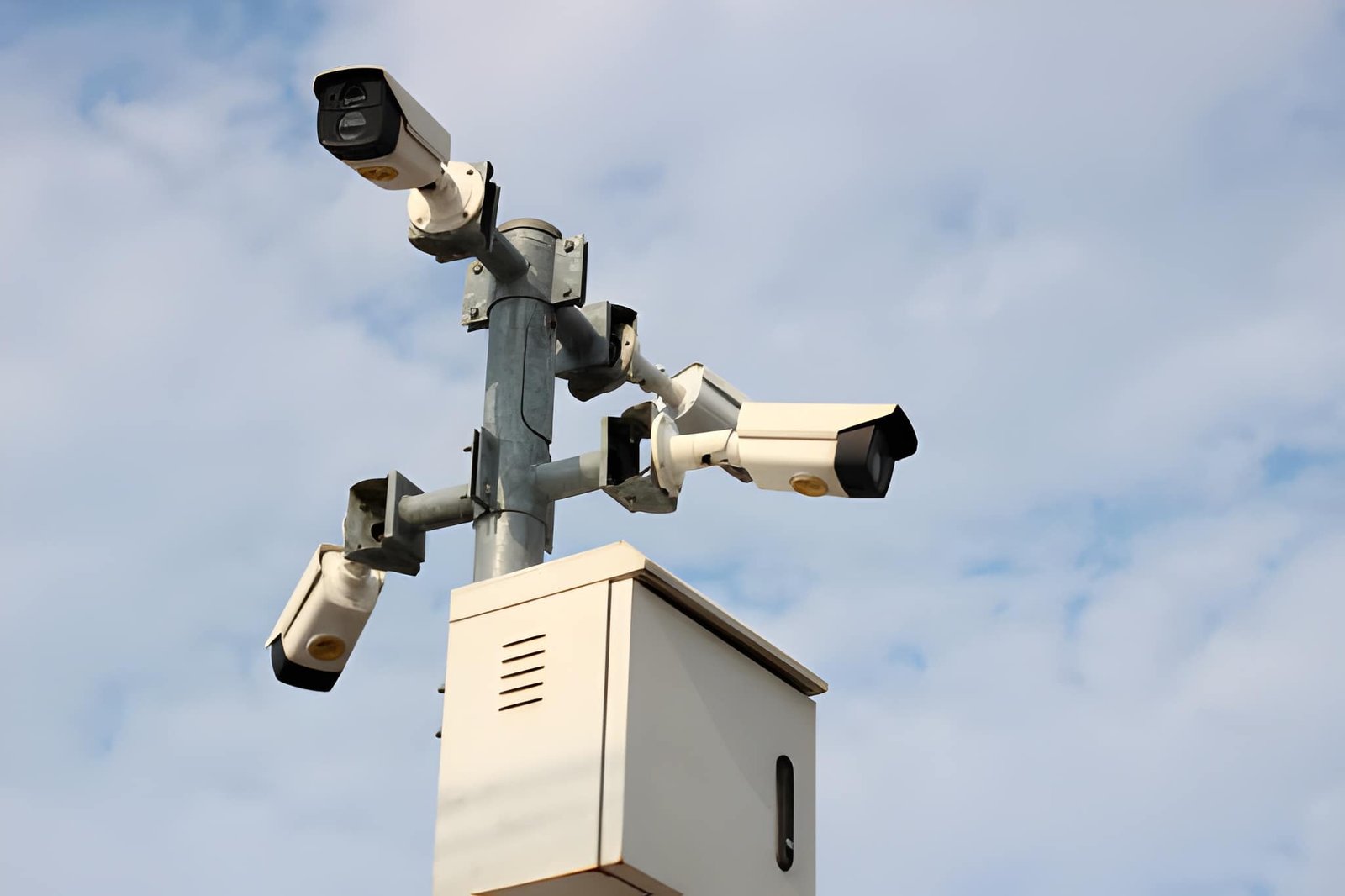
AXIS Cameras vs Cloud-Based Surveillance Platforms: Which Is Better?
KeyTakeaways
- AXIS cameras are flexible network devices that can support on-premises, edge, hybrid, or cloud-connected deployments, while a cloud surveillance platform is primarily defined by how video management, storage, and administration are delivered.
- AXIS systems generally offer greater control over camera selection, storage, recording, analytics, and third-party integrations, making them suitable for businesses with customized or complex security requirements.
- Cloud-based platforms can simplify deployment, remote access, automatic updates, centralized administration, and multi-location management, but they depend more heavily on reliable internet connectivity and may involve recurring subscriptions.
- Both approaches require strong network infrastructure, including sufficient bandwidth, reliable switching, appropriate cabling, secure access controls, and a clear plan for storage and data retention.
- Businesses should compare total cost of ownership rather than only upfront pricing, including cameras, servers or cloud subscriptions, licensing, storage, installation, maintenance, technical support, and future expansion.
Choosing a modern video surveillance system is an important decision for businesses of all sizes. Security cameras have evolved significantly beyond basic recording devices, and organizations now have more choices than ever when designing their security infrastructure.
Two popular approaches are professional camera systems such as AXIS cameras and cloud-based surveillance platforms. Both can provide high-quality video monitoring, remote access, security alerts, and useful management features, but they are built around different approaches to surveillance.
Understanding how these two approaches differ can help business owners, facility managers, and IT professionals make a more informed decision.
Upgrade Your Security Before Your Business Outgrows It Whether you’re expanding to another facility or modernizing an existing camera network, now is a good time to evaluate scalability, connectivity, and management requirements. Get professional advice before investing in new surveillance infrastructure.
Understanding AXIS Camera Systems
AXIS cameras are professional network cameras designed for a wide range of security applications. Rather than functioning only as simple video-recording devices, modern network cameras can incorporate features such as analytics, motion detection, audio capabilities, edge processing, and advanced image technologies.
One of the major strengths of AXIS is flexibility. Businesses can deploy cameras across offices, warehouses, retail locations, campuses, parking areas, manufacturing facilities, and other environments.
This makes AXIS particularly appealing to businesses that want control over how their surveillance environment is designed.
What Are Cloud-Based Surveillance Platforms?
Cloud-based surveillance platforms take a different approach.
Instead of relying primarily on locally managed recording infrastructure, cloud-based systems use cloud services to provide centralized management, remote access, storage capabilities, analytics, and system administration.
Administrators can often manage cameras and review video through web-based interfaces or mobile applications.
This model can be particularly useful for businesses with multiple locations because security teams can manage distributed cameras from a centralized environment.
Looking for advanced video surveillance for your business? Discover how AXIS solutions can support stronger security and easier monitoring.
Network Infrastructure Requirements
The quality of a surveillance system depends heavily on the network supporting it.
High-resolution cameras can generate substantial amounts of data, particularly when many devices operate simultaneously.
Businesses need sufficient bandwidth, reliable switching equipment, appropriate cabling, and well-designed network architecture.
A professional network cabling service can help organizations establish the physical infrastructure needed for dependable camera connectivity.
For organizations with large camera deployments, network planning should take place before installation rather than after problems appear.
Integration With Existing IT Systems
Businesses rarely operate surveillance systems in isolation.
Security cameras may share infrastructure with business applications, access-control systems, alarms, building-management systems, and other technologies.
Organizations using an office 365 managed service may already have established identity and administrative processes that need to be considered when providing employees with access to security systems.
Integration can be easier when IT and security teams collaborate during system design.
This is particularly important for businesses that operate multiple facilities or have strict access-control requirements.
Total Cost of Ownership
Cost comparisons should extend beyond the initial purchase.
A professional camera system may require upfront spending on cameras, storage, servers, network equipment, cabling, installation, software, and configuration.
Cloud-based surveillance may reduce some upfront infrastructure requirements but typically introduces recurring subscription or licensing expenses.
Disaster Recovery and Business Continuity
Video surveillance can become important evidence during thefts, accidents, property damage, or other incidents. Losing access to recordings at the wrong time can therefore create serious operational problems.
Businesses should consider how their surveillance system handles equipment failure, network interruptions, storage problems, and other disruptions.
Organizations that already use IT disaster recovery services should consider whether surveillance infrastructure is included in their broader continuity strategy.
The appropriate approach depends on how critical video recordings are to the organization’s operations and compliance requirements.
Which Option Is Better for Multi-Location Businesses?
Businesses with multiple locations may benefit significantly from centralized management.
Cloud-based platforms can make it easier for administrators to manage cameras across different offices, facilities, or branches from a unified interface.
However, AXIS deployments can also be designed for distributed environments using appropriate management and network infrastructure.
Organizations should evaluate how many locations they have today and how many they expect to operate in the future.
Centralized administration becomes increasingly valuable as the number of cameras and locations grows.
Project Planning and Implementation
Large surveillance deployments can involve multiple teams, vendors, and technical requirements.
Camera installation may need to be coordinated with network upgrades, electrical work, building access, security policies, and business operations.
A structured project management business approach can help keep installation schedules, budgets, technical requirements, and responsibilities organized.
This becomes particularly important when businesses are upgrading security across multiple facilities.
Want to learn more about the latest technology solutions? Visit the SON Technology Blog for practical insights, industry trends, and expert guidance.
Conclusion
AXIS cameras and cloud-based surveillance platforms both provide valuable approaches to modern security, but they are designed around different priorities.
AXIS systems offer flexibility, professional camera options, and greater control over how the surveillance environment is designed and managed. Cloud-based platforms emphasize centralized management, remote accessibility, simplified administration, and reduced dependence on local recording infrastructure.
FAQs
AXIS cameras are professional network cameras that provide flexibility in how businesses design their surveillance systems, including choices for recording, storage, and analytics. Cloud-based surveillance platforms rely more heavily on cloud services for centralized management, remote access, storage, and administration. The better option depends on the organization’s infrastructure, budget, scalability needs, and preferred level of system control.
Neither AXIS cameras nor cloud-based surveillance platforms are universally better. AXIS systems can be suitable for businesses that want greater control over camera, storage, recording, and analytics configurations. Cloud platforms may be better for organizations prioritizing centralized management and remote accessibility. Businesses should evaluate infrastructure, costs, security requirements, number of locations, and long-term expansion plans before choosing.
AXIS cameras offer businesses flexible professional surveillance options for environments such as offices, warehouses, retail locations, campuses, parking areas, and manufacturing facilities. Modern AXIS network cameras can support features including analytics, motion detection, audio, edge processing, and advanced imaging. Their network-based design also allows organizations to integrate cameras with broader security and IT infrastructures.
Cloud-based surveillance platforms can provide centralized management, remote access, storage capabilities, analytics, and system administration through cloud services. Administrators can often manage cameras and review video using web-based interfaces or mobile applications. This approach can be particularly useful for businesses with multiple locations because security teams can manage distributed cameras through a centralized environment rather than managing each location independently.
Yes. AXIS cameras operate as network devices, and high-resolution cameras can generate substantial amounts of data. Businesses need sufficient bandwidth, reliable switching equipment, appropriate cabling, and properly designed network architecture. For larger camera deployments, network planning should occur before installation. A well-designed infrastructure helps support dependable camera connectivity and can reduce performance problems after deployment.
Yes. Cloud-based surveillance platforms also depend on reliable network connectivity because cameras need to communicate with the cloud environment for management, access, and other functions. Businesses should evaluate bandwidth, network architecture, connectivity, and the number of cameras being deployed. Proper infrastructure planning is important regardless of whether an organization chooses AXIS cameras or a cloud-based surveillance platform.
Cloud-based surveillance platforms can be particularly useful for multi-location businesses because they provide centralized management through a unified environment. However, AXIS deployments can also support distributed environments when appropriate management and network infrastructure are used. Businesses should consider their current number of locations, expected expansion, camera count, administrative requirements, and the importance of centralized management when comparing options.
Cost depends on the complete system rather than simply the camera price. AXIS deployments may require spending on cameras, storage, servers, networking, cabling, installation, software, and configuration. Cloud-based platforms may reduce some upfront infrastructure requirements but introduce recurring subscription or licensing costs. Businesses should compare total cost of ownership over several years to understand the actual financial impact.
Businesses should consider camera hardware, installation, network infrastructure, storage, software licensing, cloud subscriptions, maintenance, technical support, replacement equipment, and future expansion. Comparing only the initial purchase price can create an incomplete picture. A system with a lower upfront cost may have higher long-term expenses. Evaluating total cost of ownership provides a more useful basis for comparing surveillance solutions.
Yes. AXIS cameras operate as network devices and can be incorporated into broader security and IT infrastructures. Surveillance may need to work alongside business applications, access-control systems, alarms, building-management systems, and other technologies. Collaboration between IT and security teams can help ensure appropriate network design, access controls, and integration, particularly for organizations operating multiple facilities or managing sensitive systems.
Disaster recovery can be important because surveillance footage may provide evidence during thefts, accidents, property damage, or other incidents. Businesses should consider how their systems handle equipment failures, network interruptions, storage problems, and other disruptions. Organizations using broader IT disaster recovery services can evaluate whether surveillance infrastructure should be included in their continuity strategy based on operational and compliance requirements.
Businesses should compare AXIS and cloud surveillance based on their infrastructure, security requirements, budget, number of locations, management preferences, and future growth. AXIS can provide flexibility and greater control over system design, while cloud platforms emphasize centralized administration and remote accessibility. Businesses should also evaluate network requirements, total ownership costs, maintenance, storage, integration, and long-term scalability before making a decision.

- How Verkada Security Solutions Improve Modern Security - October 13, 2026
- What Is Cybersecurity and Why Does Every Business Need It? - October 9, 2026
- How to Choose the Right Surveillance Camera for Your Facility - October 7, 2026
- Mobile Surveillance vs Fixed Surveillance Systems - October 1, 2026
- Managed IT Services vs In-House IT: Which Option Saves More Money? - September 15, 2026
- How AI-Powered Surveillance Improves Workplace Security - September 11, 2026
- Why Network Infrastructure Is the Backbone of Modern Business Operations - September 8, 2026
- Why AXIS Surveillance Systems Lead the Security Industry - September 2, 2026
- Why Network Infrastructure Is the Backbone of Modern Business Operations - August 14, 2026
- AXIS Cameras vs Cloud-Based Surveillance Platforms: Which Is Better? - August 10, 2026