 Support
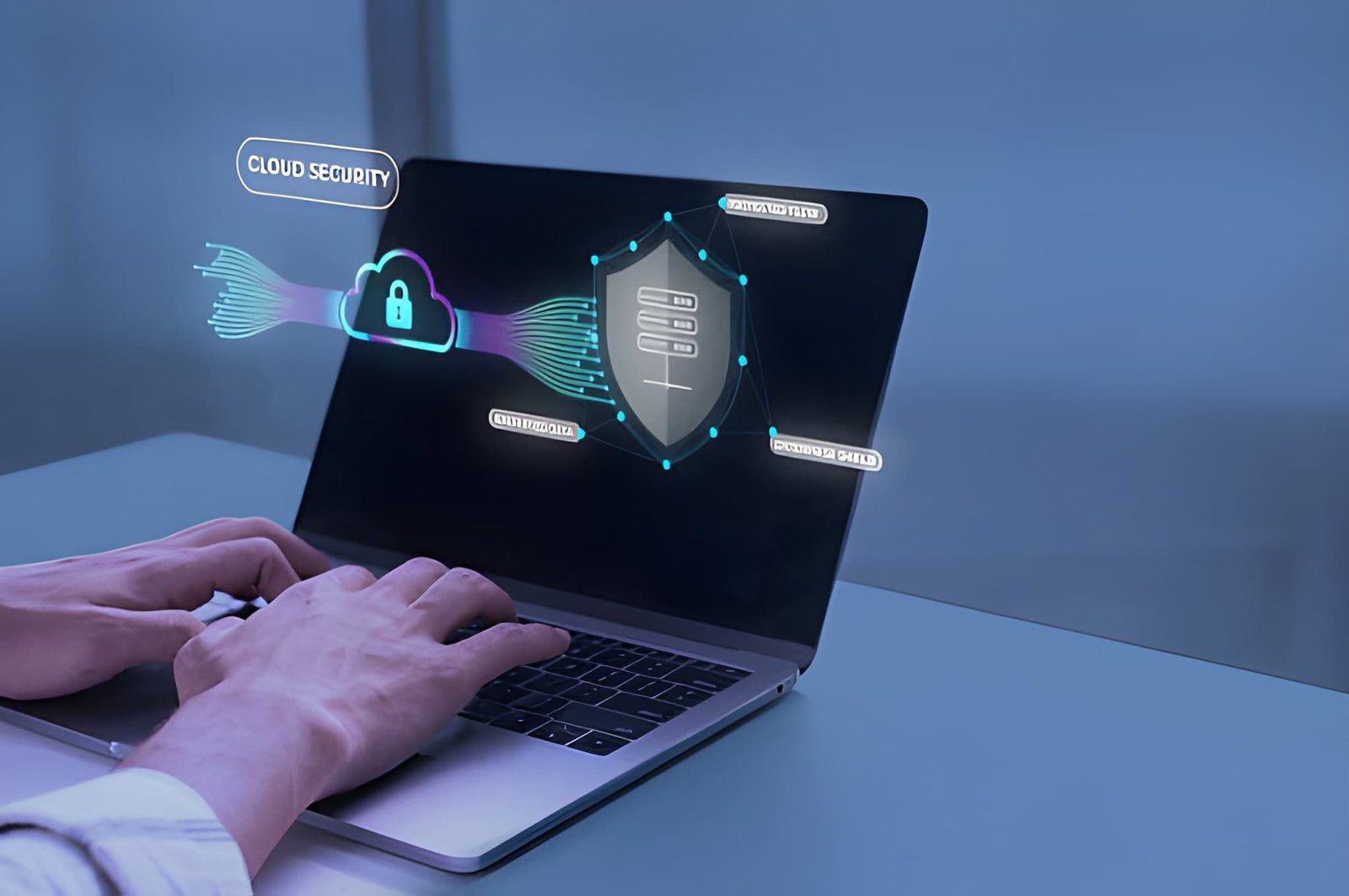
Why Businesses Are Switching to Cloud-Based Security Systems
KeyTakeaways
- Remote access, centralized control, and instant alerts make cloud-based security easier to manage across one or many locations, which is a major reason businesses are switching.
- Cloud systems also reduce IT burden and long-term costs by minimizing server hardware, manual updates, backup management, and emergency maintenance.
- AI-powered features improve efficiency by detecting meaningful events, speeding investigations, and reducing the need to watch dozens of camera feeds all day.
- Better scalability, compliance support, business continuity, and integration with other business systems make cloud security a stronger fit for modern operations than traditional on-site setups.
- In short, businesses are choosing cloud-based security because it is more flexible, more intelligent, and more future-ready than legacy security infrastructure.
Modern businesses are operating in an environment where security threats evolve faster than ever before. Traditional security systems that rely on on-site servers, manual monitoring, and fragmented management often struggle to keep up with today’s demands.
This is where Cloud-Based Security has become a game changer. Instead of depending on outdated hardware and isolated infrastructure, businesses are moving toward cloud-powered platforms that provide real-time monitoring, centralized management, remote accessibility, and AI-driven insights.
From startups to large enterprises, organizations are recognizing that cloud technology doesn’t simply improve security; it transforms the way security operations are managed. Business owners can monitor multiple locations from anywhere, receive instant alerts, automate investigations, and reduce maintenance costs while improving overall operational efficiency.
As digital transformation continues across industries, cloud-powered physical security has become an essential investment rather than an optional upgrade.
Want a deeper understanding of why cloud adoption continues to grow? Learn how cloud computing is helping businesses innovate faster, reduce costs, and build more resilient IT environments.
Why Traditional Security Systems Are No Longer Enough
Conventional security systems served businesses well for many years, but today’s operational requirements have exposed several limitations.
Many legacy systems require expensive on-site servers, complex maintenance, software updates, and manual backups. As businesses grow, expanding these systems often becomes costly and time-consuming.
Common challenges include:
- Limited remote access
- High maintenance costs
- Storage limitations
- Difficult software updates
- Poor scalability
- Slow incident investigations
- Multiple disconnected security platforms
Organizations operating multiple offices or facilities often find themselves managing different systems independently, making security administration increasingly difficult. Modern businesses need solutions that can adapt quickly while providing greater visibility across every location.
Understanding Cloud-Based Security Systems
A cloud-based security system stores, manages, and processes security data through secure cloud infrastructure instead of relying solely on local hardware.
At SON Technology, organizations can implement cloud-based security solutions that simplify monitoring, improve scalability, and provide secure access to critical security data from virtually anywhere.
These platforms typically integrate:
- Video surveillance
- Access control
- Environmental sensors
- Visitor management
- Alarm monitoring
- AI-powered analytics
- Mobile management applications
Everything is managed from one interface, simplifying administration while improving visibility across the organization. Unlike traditional systems, updates and improvements happen automatically without requiring manual software installations.
Key Reasons Businesses Are Making the Switch
The growing adoption of cloud technology has transformed the way organizations approach physical security. Businesses are no longer satisfied with systems that require constant maintenance, limited on-site access, and costly hardware upgrades. Below are the key reasons why businesses across industries are making the switch to Cloud-Based Security.
1. Remote Access from Anywhere
One of the biggest advantages of Cloud-Based Security is the ability to monitor facilities from virtually anywhere. Business owners, IT teams, facility managers, and security personnel can securely access live video feeds, receive alerts, review incidents, and manage user permissions using laptops, tablets, or smartphones.
This flexibility is especially valuable for businesses operating across multiple offices or remote locations. Instead of traveling between sites, administrators can manage everything through a centralized cloud dashboard.
2. Reduced IT Maintenance
Traditional security infrastructure often demands ongoing maintenance, including:
- Server management
- Software updates
- Storage upgrades
- Hardware replacements
- Backup management
Cloud-managed platforms automate many of these responsibilities. This reduces the burden on internal IT teams while improving system reliability. Organizations using managed IT service providers also benefit from simplified administration because cloud systems require less hands-on maintenance.
3. Faster Incident Response
When security incidents occur, every second matters. Cloud platforms provide instant notifications for suspicious activity, unauthorized access attempts, environmental changes, or equipment failures.
Security teams receive alerts immediately, allowing them to investigate incidents before they escalate. AI-powered search tools can also locate specific events within minutes rather than requiring hours of manual video review.
4. Better Scalability
Businesses evolve. Whether opening new offices, expanding facilities, or hiring additional employees, security infrastructure should grow alongside the organization.
Cloud platforms make expansion straightforward. New cameras, access points, and devices can often be added without rebuilding the entire system. This scalability helps organizations avoid major infrastructure investments every time they expand.
5. Simplified Multi-Location Management
Managing security across several locations traditionally required separate systems for each facility. Cloud technology eliminates this complexity. A single platform allows administrators to:
- Monitor every office
- Review security footage
- Manage employee credentials
- Configure alerts
- Generate reports
- Track security events
Centralized management significantly reduces administrative workload while improving consistency.
Looking to modernize your business security? Speak with our specialists to discover how Cloud-Based Security can improve visibility, reduce operational costs, and protect every location through one intelligent platform.
How AI is Transforming Physical Security
Artificial intelligence has become one of the defining features of modern security systems.- Today’s cloud platforms can automatically detect:
- Unauthorized individuals
- Suspicious movement
- Vehicle activity
- Occupancy levels
- Crowd formation
- Line crossing
- Object detection
Rather than monitoring dozens of camera feeds continuously, security teams receive alerts only when meaningful events occur. This dramatically improves operational efficiency.
AI also enables faster forensic investigations by allowing users to search based on people, vehicles, clothing colors, or movement patterns.
Enhanced Cyber Protection
Physical security and cybersecurity are increasingly interconnected. Modern cloud platforms include strong encryption, multi-factor authentication, secure data transmission, automatic software updates, and role-based access controls.
Working with a trusted cybersecurity service provider strategy ensures organizations maintain both digital and physical resilience against evolving threats. Security no longer stops at locked doors; it extends across the organization’s entire technology ecosystem.
Lower Total Cost of Ownership
While many businesses initially focus on installation costs, long-term operational expenses often have a much larger impact. Cloud-based systems reduce costs by eliminating many traditional infrastructure requirements. Organizations typically save through:
- Less server hardware
- Reduced maintenance
- Automatic software updates
- Lower storage expenses
- Fewer emergency repairs
- Simplified expansion
- Reduced travel for system administration
These savings accumulate over time, making cloud solutions financially attractive for businesses of all sizes.
Improved Compliance and Audit Readiness
Many industries must comply with security regulations and data protection standards. Cloud platforms simplify compliance by providing:
- Secure audit logs
- User activity tracking
- Access history
- Video retention policies
- Automated reporting
- Secure cloud storage
This makes preparing for audits significantly easier than relying on manual documentation.
Business Continuity During Emergencies
Unexpected events such as power failures, natural disasters, equipment failures, or cyber incidents can disrupt traditional security infrastructure. Cloud-hosted systems continue operating because data remains securely stored outside the affected facility.
Businesses using IT disaster recovery services often integrate cloud-managed security into broader continuity planning.
This ensures critical security operations remain available even during emergencies.
Integration with Business Operations
Today’s organizations expect technology platforms to work together.
Cloud security integrates with:
- HR systems
- Identity management
- Visitor management
- Building automation
- Emergency notifications
- Analytics platforms
Some organizations even connect security workflows with project management business software to improve facility planning, maintenance scheduling, and operational reporting.
Integrated platforms create better visibility across departments while reducing manual work.
Supporting Digital Transformation
Security is no longer isolated from IT strategy. Organizations investing in digital transformation increasingly align security with cloud infrastructure.
Businesses working alongside a reliable cloud computing service provider gain additional flexibility by integrating security with broader cloud initiatives. This creates a unified technology ecosystem that supports future growth.
Why Businesses Are Choosing Verkada
Many organizations evaluating cloud security solutions are selecting Verkada Security Solutions because they combine simplicity, intelligence, and enterprise-grade performance.
Instead of managing separate vendors for cameras, access control, environmental monitoring, alarms, and visitor management, businesses can operate everything through one cloud-based platform.
This centralized approach improves operational efficiency while simplifying security administration. The platform also delivers automatic updates, AI-powered analytics, encrypted communications, and remote accessibility that modern organizations require.
The Future of Business Security
Technology continues to evolve rapidly. Future security systems will become even more intelligent through advances in:
- Artificial intelligence
- Predictive analytics
- Cloud automation
- Edge computing
- Machine learning
- Smart building integration
- Remote operations
Organizations investing in cloud technology today position themselves to adopt future innovations more easily. Rather than replacing entire infrastructures every few years, cloud platforms continuously improve through software enhancements and feature updates.
Businesses that embrace this approach gain greater agility while maintaining stronger protection against evolving threats.
Choosing the Right Security Partner
Selecting the right technology is only part of the equation. Businesses should also evaluate implementation expertise, ongoing support, integration capabilities, scalability, and industry experience.
A knowledgeable provider can help assess current risks, recommend the right deployment strategy, ensure smooth implementation, and provide long-term support.
Organizations should prioritize solutions that offer flexibility, centralized management, robust cybersecurity, and seamless scalability as their operational needs evolve.
Looking for more technology insights? Explore our blog for expert articles on cloud computing, cybersecurity, managed IT services, physical security, and the latest innovations helping businesses stay secure and competitive.
Conclusion
Business security has entered a new era. Traditional surveillance systems, isolated infrastructure, and manual processes are no longer sufficient for organizations operating in today’s fast-changing environment.
Cloud-Based Security provides a smarter, more efficient approach by combining remote accessibility, AI-powered intelligence, centralized management, automatic updates, stronger cybersecurity, and improved scalability.
FAQs
A cloud-based security system stores and manages security data through secure cloud infrastructure instead of relying only on local servers or on-site hardware. It can bring together video surveillance, access control, alarm monitoring, visitor management, and analytics in one place. Because everything is managed through the cloud, businesses can access critical security information remotely, simplify administration, and reduce the complexity that often comes with traditional on-premise systems.
Businesses are switching because cloud-based systems offer greater flexibility, easier remote access, faster incident response, and lower long-term maintenance demands. They also make it easier to manage multiple locations from a single dashboard. Traditional systems often require more hardware, more manual upkeep, and more time to scale. Cloud platforms help organizations improve visibility, reduce operational friction, and adapt more easily as their security needs change.
Cloud-based security allows authorized users to monitor cameras, review incidents, receive alerts, and manage permissions from anywhere with an internet connection. That means security teams, managers, and business owners can stay informed without being on-site. This is especially useful for companies with multiple buildings, travel-heavy teams, or remote operations. Instead of relying on local access only, cloud platforms make security oversight more convenient and responsive.
Yes. Cloud-based systems reduce many of the tasks that usually burden internal IT teams, such as server maintenance, software updates, storage expansion, and backup management. Because much of the system is managed through the cloud, businesses spend less time troubleshooting hardware and more time focusing on operations. Automatic updates and centralized management also make the system easier to maintain over time compared with traditional on-site security infrastructure.
Cloud security systems can send instant alerts when they detect suspicious activity, unauthorized access, or unusual events. This helps security teams respond faster and investigate issues before they escalate. Many systems also include AI-powered search tools that can quickly find specific incidents in recorded footage. Instead of spending hours manually reviewing video, teams can act on relevant events much faster, which can improve overall safety and efficiency.
Absolutely. Cloud-based systems are designed to grow with the business. New cameras, access points, users, and locations can usually be added without replacing the entire infrastructure. This makes expansion easier and less disruptive. Businesses that expect to open more offices, hire more employees, or upgrade facilities benefit from the flexibility of cloud systems because they can scale without major hardware investments every time their needs change.
A cloud platform gives administrators one centralized view of all connected locations. They can monitor security footage, manage credentials, configure alerts, and review events across multiple sites from a single dashboard. This eliminates the need to handle separate systems for each facility. For businesses with offices, warehouses, retail spaces, or campuses in different places, centralized management saves time and creates more consistent security oversight.
AI makes cloud security systems more intelligent and efficient. It can detect people, vehicles, movement patterns, line crossing, crowd formation, and other meaningful events. Instead of watching every camera feed manually, security teams receive alerts when something important happens. AI also makes investigations faster by letting users search footage based on visual details such as clothing colors, people, or vehicles. This improves both monitoring and forensic review.
Cloud-based systems often include strong cybersecurity features such as encryption, multi-factor authentication, secure data transmission, automatic updates, and role-based access controls. These protections help reduce risk compared with older systems that may be harder to update or secure. Because physical security and cybersecurity are now connected, businesses need systems that protect both data and operations. A well-designed cloud platform can support that broader protection strategy.
Yes. Even if the upfront cost seems similar or slightly higher, cloud systems often reduce long-term expenses. Businesses may save on server hardware, storage, maintenance, emergency repairs, and manual administration. Automatic updates and easier expansion also reduce hidden costs over time. For organizations that want predictable, efficient security spending, cloud-based solutions can offer better long-term value than traditional on-site systems.
Cloud platforms make it easier to track user activity, maintain access histories, store video securely, and generate audit logs. These features help organizations prepare for inspections, compliance reviews, and internal audits more efficiently. Instead of relying on scattered records or manual documentation, businesses can use centralized reporting and retention tools. That improves accountability and reduces the stress of proving compliance when regulators or auditors request information.
Businesses should look for a provider that offers strong support, proven experience, good integration options, solid cybersecurity protections, and a system that can scale as the company grows. It also helps to choose a provider that understands implementation, training, and long-term maintenance. The best partner will not just install the system but help ensure it fits the organization’s operations, security goals, and future expansion plans.

- Managed IT Services vs In-House IT: Which Option Saves More Money? - September 15, 2026
- How AI-Powered Surveillance Improves Workplace Security - September 11, 2026
- Why Network Infrastructure Is the Backbone of Modern Business Operations - September 8, 2026
- Why AXIS Surveillance Systems Lead the Security Industry - September 2, 2026
- Why Network Infrastructure Is the Backbone of Modern Business Operations - August 14, 2026
- AXIS Cameras vs Cloud-Based Surveillance Platforms: Which Is Better? - August 10, 2026
- How Mobile Surveillance Improves Fleet Security - August 6, 2026
- Verkada vs Traditional CCTV: Which Security System Is Better? - August 3, 2026
- Why AXIS Surveillance Systems Lead the Security Industry - July 30, 2026
- Managed IT Services vs In-House IT: Which Option Saves More Money? - July 23, 2026