 Support
Why AXIS Surveillance Systems Lead the Security Industry
Key Takeaways
- AXIS surveillance systems are IP-based network solutions that combine high image quality, intelligent video analytics, open standards, and strong cybersecurity to create scalable, future-proof security environments.
- Advanced imaging (wide dynamic range, low-light performance, IR, stabilization, high resolution) ensures usable footage across changing lighting and challenging conditions, which is critical for identification and incident investigation.
- Intelligent analytics enable proactive security, detecting motion, objects, or unusual activity and generating alerts, reducing the need for constant human monitoring and speeding response times.
- Because cameras are network endpoints, success depends on proper IT planning: sufficient bandwidth, PoE/power, network segmentation, secure configuration, updates, access controls, and integration with VMS, storage, audio, and access control.
- AXIS deployments scale from small sites to large enterprises, supporting flexible storage (edge, on-prem, cloud-connected), comprehensive video management, and integration with broader IT and Microsoft-based environments while maintaining data protection and privacy.
Security technology has changed significantly as businesses, public facilities, educational institutions, healthcare organizations, and other properties look for smarter ways to protect people and assets. Modern surveillance is no longer limited to recording video and reviewing footage after an incident.
This shift has made AXIS Surveillance Solutions an important consideration for organizations looking to modernize their security infrastructure. AXIS Communications has developed a broad portfolio of network cameras, video management technologies, analytics, access control, and related security products designed around IP-based systems.
What makes AXIS surveillance systems stand out is the combination of image quality, intelligent technology, open standards, cybersecurity, scalability, and integration capabilities. These features allow organizations to build surveillance environments that can evolve as their security requirements change.
Planning a surveillance upgrade? Evaluate your camera coverage, network infrastructure, storage requirements, and cybersecurity needs before choosing a security system.
What Are AXIS Surveillance Systems?
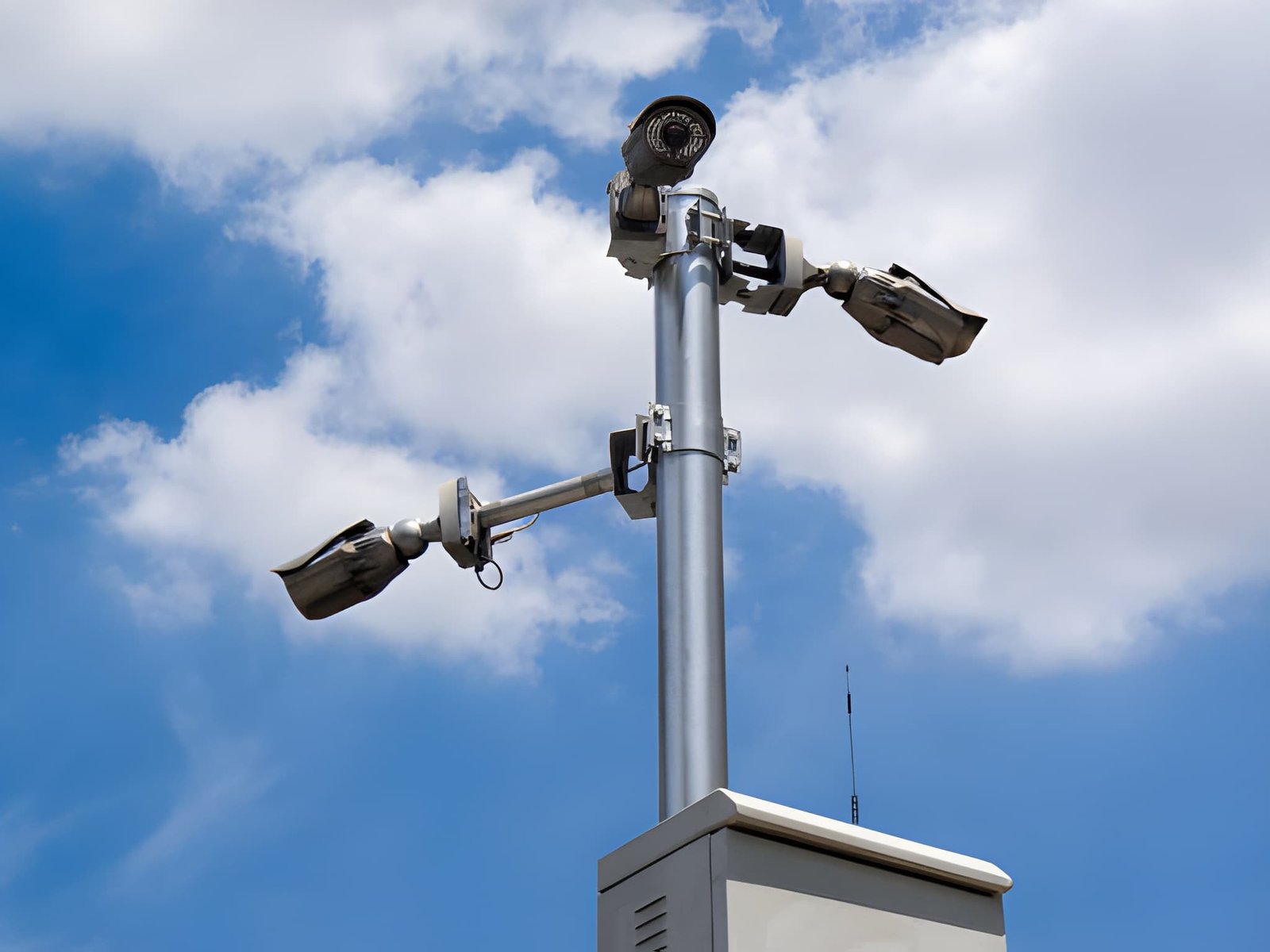
AXIS surveillance systems are network-based security solutions designed to capture, transmit, analyze, manage, and store video over IP networks.
Instead of relying solely on traditional analog security cameras, network surveillance connects cameras to an organization’s broader IT infrastructure. This approach can provide greater flexibility because cameras can communicate with video management platforms, analytics applications, access control systems, audio devices, and other technologies.
AXIS offers different types of network cameras and security devices for environments ranging from small businesses to large enterprise and industrial installations.
The system can be configured around the needs of a particular property, including factors such as:
- Indoor and outdoor coverage
- Lighting conditions
- Required image resolution
- Area size
- Environmental conditions
- Video retention requirements
- Analytics requirements
- Network capacity
This flexibility is one reason network-based surveillance has become increasingly important in modern security planning.
Advanced Image Quality
One of the most important functions of any surveillance camera is its ability to capture useful images.
A camera may record continuously, but footage is only valuable if security teams can clearly identify people, vehicles, objects, or events when necessary.
AXIS cameras are known for technologies designed to improve image quality across challenging environments. Depending on the camera model, features can include wide dynamic range, low-light performance, infrared illumination, image stabilization, and high-resolution video.
Choosing the right surveillance technology can make a significant difference in image quality and overall security. Explore AXIS surveillance solutions to learn more about advanced camera features and options for business security needs.
Why Image Quality Matters
Lighting can change dramatically throughout the day. A camera facing a doorway, parking area, warehouse entrance, or outdoor perimeter may experience bright sunlight, shadows, headlights, and nighttime darkness.
Advanced imaging technologies help cameras produce more usable footage under these changing conditions.
This is particularly important when surveillance is being used not simply for general monitoring but also for incident investigation and evidence collection.
Intelligent Video Analytics
Modern surveillance is moving beyond simple video recording.
Intelligent analytics can help security teams identify specific activities or conditions without requiring personnel to watch every camera feed continuously.
Depending on the system and configuration, analytics can assist with tasks such as detecting movement, identifying objects, monitoring areas, recognizing unusual activity, or creating alerts based on defined rules.
This can make surveillance more proactive.
For example, instead of discovering an unauthorized entry after reviewing hours of footage, an organization may configure an appropriate analytics solution to generate an alert when activity occurs in a restricted area.
Network-Based Architecture
AXIS systems are built around IP networking, which provides significant flexibility for modern organizations.
Network cameras can communicate using an organization’s existing network infrastructure when properly designed and secured.
This makes surveillance part of a larger technology environment rather than an isolated system.
However, network-based surveillance also means organizations need to think carefully about bandwidth, network segmentation, power requirements, connectivity, storage, and cybersecurity.
For larger deployments, professional network planning services can help determine whether the existing infrastructure can support the number of cameras, video streams, analytics, and storage requirements involved.
Cybersecurity Is Part of Modern Surveillance
Connecting cameras to a network introduces cybersecurity considerations.
A surveillance camera is no longer simply a physical device mounted on a wall. It can be an endpoint connected to an organization’s digital infrastructure.
Organizations therefore need to consider secure configuration, access control, software updates, device authentication, network segmentation, encryption, and monitoring.
Security teams should also limit unnecessary access to surveillance systems and establish clear policies around who can view, export, or manage video.
Organizations that need broader protection may work with a cybersecurity service provider to incorporate surveillance devices into their overall cybersecurity strategy.
Protecting Surveillance Data
Recorded video can contain sensitive information about employees, customers, visitors, facilities, and business operations.
Protecting that information is therefore an important part of surveillance planning.
Organizations should consider where footage is stored, how long it is retained, who can access it, and how it is protected against unauthorized access or loss.
Flexible Storage and Video Management
Surveillance systems can generate substantial amounts of data, particularly when organizations use high-resolution cameras and retain footage for extended periods.
Storage requirements depend on factors such as camera resolution, frame rate, compression, recording schedules, camera count, and retention policies.
Organizations may use local storage, network storage, edge storage, cloud-connected technologies, or combinations of these approaches.
A properly designed video management system can help administrators organize cameras, review footage, manage users, configure recording policies, and respond to events.
Audio and Additional Security Capabilities
Surveillance does not necessarily have to be limited to video.
Modern network security ecosystems can include audio devices and other technologies that provide additional situational awareness.
Network audio can support announcements, warnings, emergency communication, or operational messaging depending on the environment.
Combining video with other security technologies can give organizations a more comprehensive view of what is happening throughout a facility.
How IT Infrastructure Supports Surveillance
Because modern cameras rely heavily on networks, surveillance planning increasingly overlaps with IT infrastructure planning.
Network switches, wireless connectivity, power delivery, bandwidth, storage, server capacity, and cybersecurity can all affect camera performance.
For new construction or major technology upgrades, structured cabling installation should be planned with surveillance requirements in mind.
The Role of Cloud Technology
Cloud-connected technologies have changed how organizations manage IT and security systems.
A cloud technology provider may support cloud-based infrastructure, remote access, centralized management, or other services that complement modern security operations.
However, organizations should evaluate cloud architecture carefully.
Important considerations include connectivity, data ownership, privacy, storage costs, system availability, cybersecurity, retention requirements, and operational dependencies.
Protecting Critical Business Data
Video is only one type of data an organization must protect.
Businesses also manage documents, communications, financial records, customer information, application data, and operational systems.
Technologies such as off site backup solutions can provide additional protection by maintaining copies of critical information away from the primary environment.
While surveillance video may require specialized storage and retention strategies, it should still be considered within the organization’s broader data protection framework.
Integrating Surveillance With Microsoft-Based Environments
Many businesses use Microsoft platforms for productivity, communication, identity management, and collaboration.
A Microsoft 365 service can form part of a broader technology environment in which security systems, user access, collaboration tools, and IT services need to coexist.
Organizations should carefully manage identities and permissions across connected systems.
The goal is to ensure that employees receive appropriate access without unnecessarily exposing sensitive security data.
Project Management for Large Surveillance Deployments
Large security deployments can involve multiple teams, vendors, contractors, IT professionals, and facility managers.
Coordinating these activities requires careful planning.
A project management firm can help organizations coordinate schedules, responsibilities, procurement, installation activities, testing, documentation, and project completion.
Strong project management is especially valuable when surveillance installation occurs alongside construction, network upgrades, access control projects, or facility renovations.
Final Thoughts
AXIS surveillance systems have become a strong option for organizations seeking modern, network-based security because they combine advanced imaging, intelligent analytics, flexible architecture, scalability, and integration capabilities.
However, the effectiveness of any surveillance deployment depends on more than the camera manufacturer. Network infrastructure, cybersecurity, storage, camera placement, system configuration, maintenance, and organizational policies all play important roles.
FAQs
AXIS systems are IP-based network video solutions (cameras, encoders, VMS, analytics) that capture, transmit, analyze, and store video over an organization’s IT network. They replace or augment analog CCTV with flexible, scalable, and integrable security architectures.
AXIS leads with superior image quality (WDR, low-light, IR), open standards (ONVIF, ACAP apps), strong cybersecurity (signed firmware, HTTPS, 802.1X), scalable architecture, and deep integrations with VMS, access control, and analytics ecosystems.
Options include fixed domes/bullets, PTZ, multi-sensor, thermal, outdoor/indoor, vandal-resistant, and specialized models (e.g., Q6325-LE for long-range). Selection depends on coverage area, lighting, resolution needs, and environmental conditions.
High-quality imaging ensures usable footage for identification and investigations under challenging light (sun glare, shadows, night). Features like WDR, low-light sensors, and IR illumination reduce blind spots and improve evidence reliability.
Built-in and ACAP-based analytics enable motion detection, object classification (person/vehicle), intrusion alerts, loitering detection, crowd monitoring, and custom rules. Analytics turn passive recording into proactive alerting and faster response.
Yes, AXIS embeds security by design: signed firmware, secure boot, HTTPS/TLS, 802.1X authentication, role-based access, and regular patches. Best practice includes network segmentation, strong credentials, and monitoring per NIST/industry guidelines.
They run on standard IP networks and integrate with VMS (e.g., Milestone, Genetec), access control, audio, and SIEM tools. Proper design considers bandwidth, PoE switches, VLANs, storage, and cybersecurity to avoid network conflicts.
Supports edge (SD card), on-prem NVR/servers, NAS, and cloud/hybrid models. Retention depends on resolution, FPS, compression (H.264/H.265), camera count, and policy. Plan for growth and redundancy (RAID, offsite backup).
Yes. Many models feature excellent low-light sensitivity, built-in IR, WDR for high-contrast scenes, and ruggedized housings (IP66/67, IK10). Choose models rated for your environment (parking lots, warehouses, perimeters).
Many AXIS cameras include built-in mics/speakers or support network audio devices for announcements, warnings, and emergency comms. Audio enhances situational awareness and can deter incidents in real time.
Highly scalable, from single cameras to enterprise-wide systems with hundreds/thousands of devices. Centralized management, ACAP apps, and open APIs allow phased rollouts and future expansion without vendor lock-in.

- How Verkada Security Solutions Improve Modern Security - October 13, 2026
- What Is Cybersecurity and Why Does Every Business Need It? - October 9, 2026
- How to Choose the Right Surveillance Camera for Your Facility - October 7, 2026
- Mobile Surveillance vs Fixed Surveillance Systems - October 1, 2026
- Managed IT Services vs In-House IT: Which Option Saves More Money? - September 15, 2026
- How AI-Powered Surveillance Improves Workplace Security - September 11, 2026
- Why Network Infrastructure Is the Backbone of Modern Business Operations - September 8, 2026
- Why AXIS Surveillance Systems Lead the Security Industry - September 2, 2026
- Why Network Infrastructure Is the Backbone of Modern Business Operations - August 14, 2026
- AXIS Cameras vs Cloud-Based Surveillance Platforms: Which Is Better? - August 10, 2026