 Support
Structured Cabling Best Practices for Growing Businesses
Key Takeaways
- Plan for future growth: Evaluate expected workforce expansion, office changes, and future tech adoption during design to avoid costly redesigns, scale infrastructure for additional users/devices proactively.
- Support modern security: Ensure reliable connectivity for access control, surveillance (e.g., Verkada cameras), alarms, and monitoring, structured cabling provides bandwidth for real-time monitoring and scalable security upgrades.
- Enable cloud performance: Build stable, efficient connectivity to support cloud apps (communication, collaboration, storage)—structured cabling handles increasing data traffic/bandwidth for optimal cloud investment benefits.
- Strengthen business continuity & cybersecurity: Support reliable comms/data access during disruptions (disasters, failures, attacks) with structured cabling paired with off-site backups/disaster recovery; enable network segmentation, access controls, and threat monitoring for a stronger security posture.
- Invest in ongoing maintenance & managed IT alignment: Conduct routine inspections, testing, and documentation updates to prevent outages and lower long-term costs; align cabling with managed IT services for cohesive tech strategy (cybersecurity, cloud, digital transformation).
- Future-proof your network: Design scalable, adaptable infrastructure for emerging tech, higher bandwidth, smart devices, advanced comms, and evolving security—avoid costly upgrades and maintain efficiency as tech evolves.
👉 Looking to build a reliable network that grows with your business? Speak with our infrastructure specialists today to develop a structured cabling strategy designed for performance, scalability, and long-term success.
As businesses grow, their technology requirements become increasingly complex. More employees, connected devices, cloud applications, security systems, and communication tools place greater demands on network infrastructure. While many organizations focus on upgrading software and hardware, they often overlook one of the most important foundations of a reliable IT environment: structured cabling.
A properly designed cabling system supports seamless communication, efficient data transfer, improved security, and future scalability. Without a strong foundation, even the most advanced technologies can suffer from performance issues and costly downtime. Businesses investing in structured cabling solutions in Florida can create a network infrastructure that supports long-term growth while reducing operational challenges.
Why Structured Cabling Is Essential for Growing Businesses
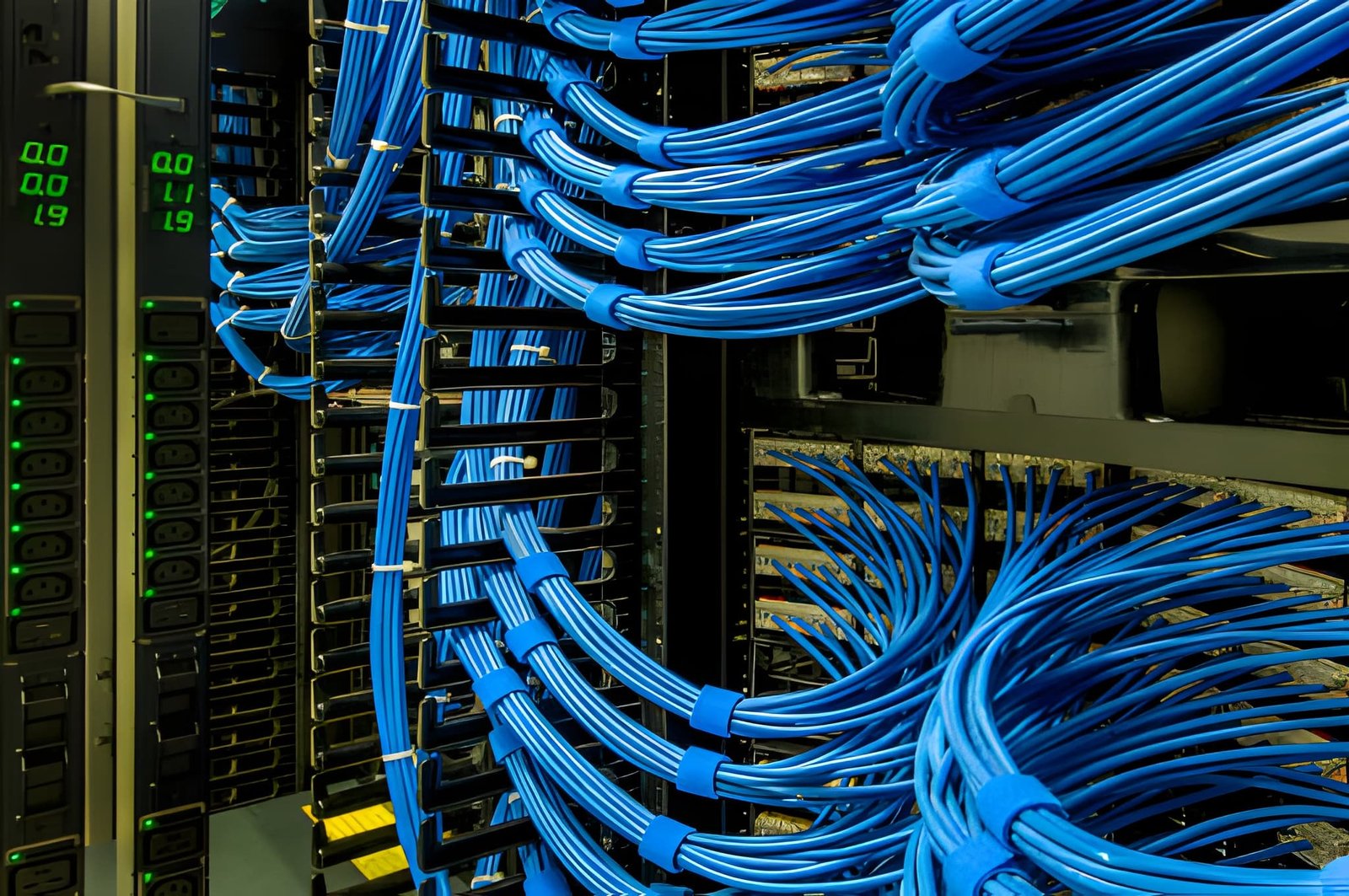
Structured cabling is a standardized approach to designing and organizing a company’s network infrastructure. Instead of using multiple disconnected wiring systems, structured cabling creates a unified framework that supports data, voice, video, wireless access points, and security systems.
As organizations expand, network demands increase significantly. New workstations, additional departments, remote collaboration tools, and cloud-based applications all rely on consistent connectivity. A well-designed cabling infrastructure ensures that these technologies work efficiently without creating network bottlenecks.
At SON Technology, we provide structured cabling solutions designed to improve network performance, enhance reliability, and support seamless business growth.
Planning for Future Growth
One of the most important best practices is planning beyond current requirements. Businesses frequently underestimate how quickly their technology needs will evolve. A network that supports today’s operations may become inadequate within a few years if growth is not considered during the design phase.
Before implementation, organizations should evaluate their expected growth, workforce expansion, office layout changes, and future technology adoption. This assessment helps ensure that the infrastructure can accommodate additional users and devices without requiring a complete redesign.
👉 Want to build a faster, more reliable business network? Discover more how structured cabling can improve performance, reduce downtime, and support future growth for Florida businesses.
Working with a professional structured cabling company allows businesses to develop a strategic infrastructure plan that aligns with both current and future objectives. Proper planning reduces future upgrade costs and minimizes disruptions as the company expands.
Supporting Modern Security Infrastructure
Today’s businesses depend heavily on network-connected security technologies. Access control systems, surveillance cameras, alarm systems, and monitoring platforms all require reliable connectivity to function effectively.
Modern security deployments frequently include Verkada surveillance cameras, which rely on strong network infrastructure to deliver real-time monitoring and centralized management capabilities.
As security requirements continue to evolve, a scalable cabling infrastructure provides the flexibility needed to support future upgrades and additional security technologies.
Cloud Adoption and Network Performance
Cloud computing has transformed the way businesses operate. Organizations increasingly rely on cloud-based applications for communication, collaboration, data storage, and business management.
A trusted cloud technology provider understands that cloud success depends heavily on reliable network infrastructure. Without strong connectivity, businesses may experience performance issues that impact productivity and user experience.
Structured cabling provides the foundation needed to support cloud-based environments. By ensuring stable and efficient connectivity, organizations can maximize the benefits of their cloud investments while maintaining operational efficiency.
As cloud adoption continues to grow, businesses must ensure that their network infrastructure can handle increasing data traffic and bandwidth requirements.
Integrating Business Continuity Strategies
Unexpected disruptions can occur at any time. Natural disasters, equipment failures, cyber incidents, and power outages can all affect business operations.
In addition to backup systems, many companies implement an IT disaster recovery service to ensure that essential systems can be restored quickly following a disruption. A dependable cabling infrastructure helps support these recovery efforts by maintaining connectivity between critical systems and resources.
Businesses that prioritize continuity planning are better prepared to minimize downtime and protect revenue during unexpected events.
Strengthening Cybersecurity Readiness
Cybersecurity has become a major priority for organizations of all sizes. While structured cabling is not a security solution by itself, it provides the foundation necessary to support modern security technologies and monitoring systems.
Working with a qualified cybersecurity service provider allows businesses to implement strategies such as network segmentation, access controls, and threat monitoring. These measures often depend on a well-designed network infrastructure to function effectively.
Similarly, a reputable cybersecurity services company can help organizations align their physical and digital security initiatives to create a stronger overall security posture.
The Value of Ongoing Network Maintenance
A structured cabling system is a long-term investment that requires regular maintenance to perform at its best. Over time, environmental factors, equipment changes, and business growth can affect network performance.
Regular maintenance also provides opportunities to assess future requirements and plan upgrades proactively rather than reacting to unexpected problems.
Businesses that maintain their infrastructure consistently often experience fewer outages and lower long-term support costs.
Aligning Infrastructure with Managed IT Services
Many growing organizations choose to partner with technology providers to streamline operations and improve efficiency. A trusted managed IT service florida provider can help businesses align their network infrastructure with broader technology strategies.
This approach allows organizations to integrate infrastructure planning with cybersecurity, cloud adoption, support services, and digital transformation initiatives. The result is a more cohesive technology environment that supports long-term business goals.
Future-Proofing Your Network Infrastructure
Technology evolves rapidly, and businesses must prepare for future requirements even when they are not yet fully defined. Structured cabling provides the flexibility needed to support emerging technologies without requiring extensive infrastructure replacements.
Future-ready networks are designed to accommodate increasing bandwidth demands, smart devices, advanced communication tools, and evolving security requirements. This forward-thinking approach helps organizations avoid costly upgrades and maintain operational efficiency as technology continues to change.
Future-proofing is not about predicting every innovation. Instead, it involves creating a scalable and adaptable foundation that can support growth and technological advancement for years to come.
👉 Want to stay updated with the latest IT solutions and business technology insights? Explore our blog for practical guides, industry updates, and expert tips to help your business stay secure, connected, and efficient.
Conclusion
A reliable network infrastructure is essential for business growth, productivity, and long-term success. Structured cabling provides the organized, scalable, and high-performance foundation that modern organizations need to support communication, cloud applications, security systems, and future technologies.
By focusing on strategic planning, professional installation, quality components, ongoing maintenance, and scalability, businesses can create an infrastructure that supports both current operations and future expansion. Investing in the right cabling solution today can help prevent costly challenges tomorrow while ensuring the organization remains prepared for continued growth.
Frequently Asked Questions
Structured cabling is a standardized network infrastructure that supports data, voice, video, wireless, and security systems. It is important for growing Florida businesses because it ensures seamless communication, efficient data transfer, improved security, and future scalability without costly upgrades when adding employees, devices, or new office spaces.
Structured cabling accommodates additional users, devices, departments, and technologies without a complete redesign. By planning for future workforce expansion and technology adoption, businesses avoid performance bottlenecks, slow connectivity, and frequent outages. This scalable foundation supports growth while minimizing upgrade costs and operational disruptions as the organization expands.
Structured cabling provides reliable connectivity and sufficient bandwidth for access control systems, surveillance cameras like Verkada, alarm systems, and monitoring platforms. Consistent connectivity ensures real-time monitoring, centralized management, improved incident response, and strengthens overall security operations while supporting future upgrades and additional security technologies seamlessly.
Cloud computing relies on reliable network infrastructure for communication, collaboration, data storage, and business management. Structured cabling ensures stable, efficient connectivity that maximizes cloud investment benefits while maintaining operational efficiency. It handles increasing data traffic and bandwidth requirements as cloud adoption continues to grow across businesses.
Structured cabling supports reliable communication and data access during natural disasters, equipment failures, cyber incidents, or power outages. Paired with off-site backup solutions and IT disaster recovery services, dependable cabling maintains connectivity between critical systems and resources, helping minimize downtime and protect revenue during unexpected disruptions effectively.
While not a security solution itself, structured cabling provides the foundation for modern security technologies and monitoring systems. It supports network segmentation, access controls, and threat monitoring by ensuring well-designed infrastructure. This alignment of physical and digital security creates a stronger overall security posture against evolving cyber threats.
Regular maintenance identifies and addresses potential issues before costly disruptions occur. Routine inspections, testing, and documentation updates improve reliability and extend infrastructure lifespan. Maintenance also provides opportunities to assess future requirements and plan upgrades proactively, resulting in fewer outages and lower long-term support costs for growing businesses.
Structured cabling integrates infrastructure planning with cybersecurity, cloud adoption, support services, and digital transformation initiatives when partnering with managed IT service providers. This approach creates a cohesive technology environment that supports long-term business goals, streamlines operations, and improves overall efficiency for growing organizations across Florida.
Future-proofing creates a scalable, adaptable foundation supporting emerging technologies without extensive replacements. It accommodates increasing bandwidth demands, smart devices, advanced communication tools, and evolving security requirements. This forward-thinking approach helps organizations avoid costly upgrades and maintain operational efficiency as technology continues changing rapidly.
Key best practices include strategic planning beyond current requirements, professional installation by certified companies, using quality components, ongoing maintenance, and ensuring scalability. Evaluating expected growth, workforce expansion, office layout changes, and future technology adoption ensures infrastructure accommodates additional users without complete redesign, reducing upgrade costs and minimizing disruptions.
Professional structured cabling companies develop strategic infrastructure plans aligning with current and future objectives. They ensure proper installation, quality components, and scalable design for performance, reliability, and growth. Partnering with experts reduces future upgrade costs, minimizes disruptions, and creates organized environments supporting communication, cloud applications, security systems, and emerging technologies effectively.

- Managed IT Services vs In-House IT: Which Option Saves More Money? - September 15, 2026
- How AI-Powered Surveillance Improves Workplace Security - September 11, 2026
- Why Network Infrastructure Is the Backbone of Modern Business Operations - September 8, 2026
- Why AXIS Surveillance Systems Lead the Security Industry - September 2, 2026
- Why Network Infrastructure Is the Backbone of Modern Business Operations - August 14, 2026
- AXIS Cameras vs Cloud-Based Surveillance Platforms: Which Is Better? - August 10, 2026
- How Mobile Surveillance Improves Fleet Security - August 6, 2026
- Verkada vs Traditional CCTV: Which Security System Is Better? - August 3, 2026
- Why AXIS Surveillance Systems Lead the Security Industry - July 30, 2026
- Managed IT Services vs In-House IT: Which Option Saves More Money? - July 23, 2026