 Support
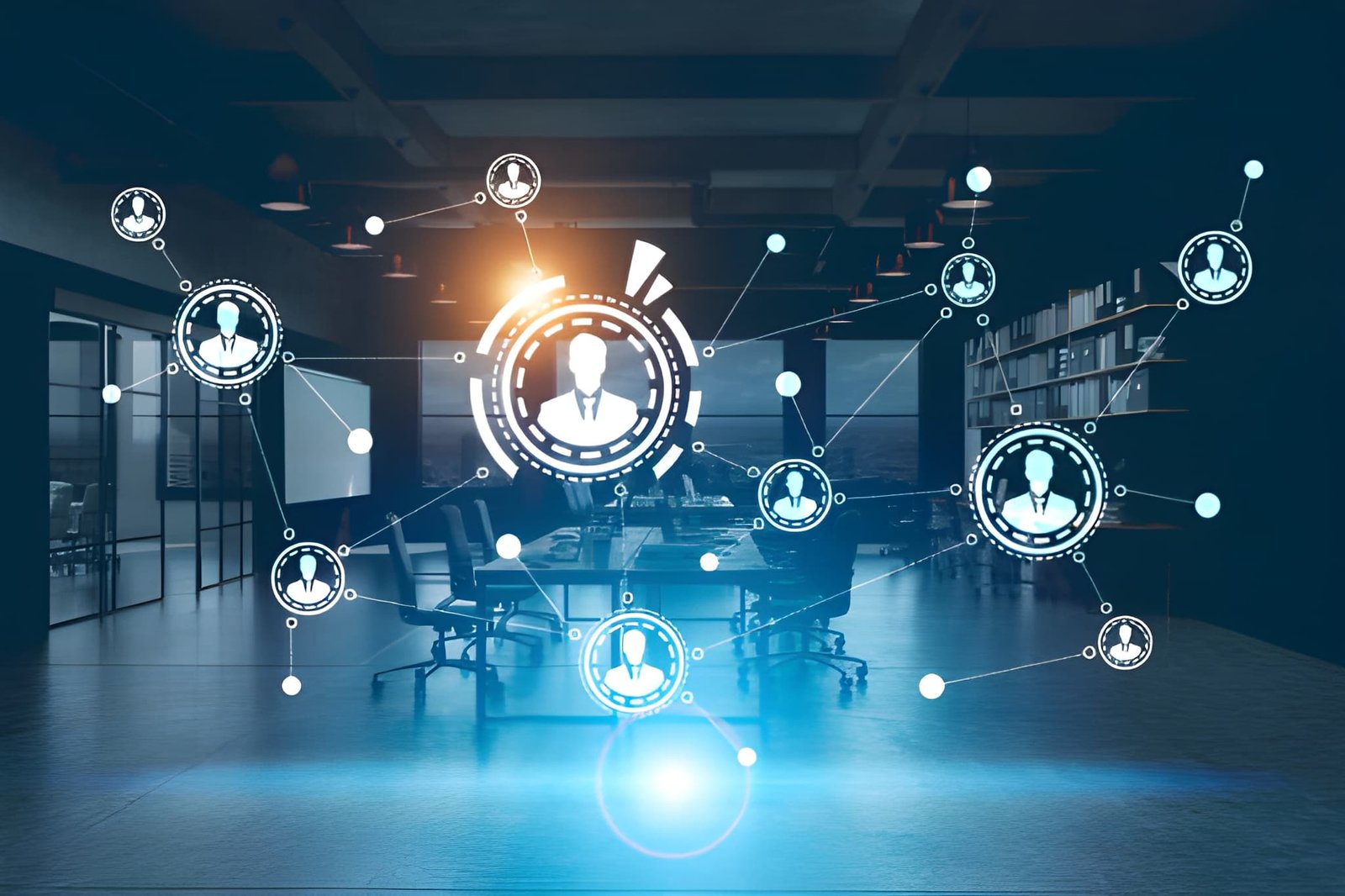
How to Build a Modern Digitally-Connected Workplace in 2026
In 2026, the concept of a workplace has evolved far beyond desks, office walls, and fixed schedules. Businesses now operate in a dynamic, digitally connected environment where employees collaborate across locations, systems communicate in real time, and data drive decisions. Whether teams are working remotely, in hybrid setups, or from centralized offices, connectivity and efficiency are the foundation of success.
To achieve this level of integration, organizations rely on a managed it provider that brings together technology, infrastructure, and strategy. Building a digitally connected workplace is not just about adopting new tools, it’s about creating a seamless ecosystem where every component works together to improve productivity, security, and scalability.
This comprehensive guide explains how to build such a workplace step by step, with insights into the technologies, systems, and strategies that define modern business environments.
👉 Looking to upgrade your business with a fully connected digital workplace? Partner with a trusted managed IT provider offering expert managed it consulting services to design and implement scalable solutions.
Understanding the Modern Digitally-Connected Workplace
A digitally-connected workplace integrates people, processes, and technology into a unified system. Employees can access files from anywhere, collaborate in real time, and use cloud-based tools to complete tasks without disruption.
This transformation is driven by:
- Cloud-based applications
- Real-time communication tools
- Secure and scalable networks
- Data-driven decision-making
A professional managed IT consulting service ensures these elements are not only implemented but also optimized for performance and growth.
The Strategic Role of a Managed IT Provider
A managed IT provider is more than just a support service, it is a strategic partner that ensures your IT infrastructure aligns with your business goals.
Instead of reacting to issues, managed IT services take a proactive approach. Systems are monitored continuously, updates are applied automatically, and potential problems are addressed before they impact operations.
This includes:
- 24/7 system monitoring
- Network management
- Security implementation
- Helpdesk support
- Long-term IT planning
By outsourcing IT management, businesses can focus on their core operations while experts handle the technical complexities.
Cloud Computing as the Core Infrastructure
Cloud technology is the backbone of a digitally connected workplace. A reliable cloud computing service provider enables businesses to move away from traditional on-site servers and adopt flexible, scalable solutions.
With cloud integration, employees can access files, applications, and systems from anywhere, making remote and hybrid work seamless. It also allows businesses to scale their operations without investing heavily in physical infrastructure.
Many organizations use Office 365 managed service solutions to streamline communication and collaboration. Tools like shared documents, email systems, and virtual meetings create a unified workspace that improves efficiency across teams.
Designing a Reliable Network Infrastructure
No digital workplace can function without a strong network foundation. Connectivity must be fast, secure, and capable of handling increasing data demands.
Effective network planning and design ensure that your systems can support current workloads while remaining scalable for future growth. This includes setting up secure connections, optimizing bandwidth, and ensuring minimal downtime.
On the physical side, a professional network cabling service provides structured wiring systems that support reliable communication between devices. Businesses in specialized regions often work with a structured cabling company in Florida to implement structured cabling solutions that reduce maintenance and improve performance.
Cybersecurity: Safeguarding Your Digital Environment
As businesses become more connected, they also face increased cyber threats. Protecting sensitive data and systems is critical.
Modern cybersecurity strategies involve multiple layers of protection, including firewalls, encryption, and user authentication. Partnering with cyber security companies or a cyber security consultant ensures that your organization stays protected against evolving threats.
Cybersecurity is not just about preventing attacks, it’s about building trust with clients and maintaining compliance with industry standards.
Data Storage and Management
Data plays a central role in decision-making and operations. Managing it effectively is essential for business success.
Modern workplaces use a combination of cloud storage and off-site data storage solutions to ensure data is accessible and secure. Off-site backups provide an additional layer of protection, ensuring that data can be recovered in case of system failures or cyber incidents.
Efficient data management systems also help businesses organize information, improve accessibility, and maintain compliance.
Disaster Recovery and Business Continuity Planning
Unexpected disruptions such as cyberattacks, hardware failures, or natural disasters can halt business operations. That’s why having a recovery strategy is essential.
IT disaster recovery services focus on restoring systems and data quickly after an incident. A strong it disaster recovery plan includes regular backups, system testing, and predefined recovery procedures.
These measures ensure that your business can continue operating with minimal downtime, even in challenging situations.
Virtualization for Scalability and Efficiency
Virtualization is a key component of modern IT infrastructure. It allows multiple systems to run on a single physical server, improving efficiency and reducing costs.
Businesses using virtualization service florida can:
- Optimize hardware usage
- Reduce energy consumption
- Scale resources easily
This approach makes IT environments more flexible and cost-effective.
👉 Want to improve collaboration and streamline operations? Work with a trusted managed it consulting service to build a secure and efficient digital workplace.
Integrating Smart Security Systems
Physical security is also evolving alongside digital systems. Modern workplaces integrate smart surveillance solutions that can be monitored remotely.
Technologies like Verkada security cameras and Verkada surveillance cameras provide cloud-based monitoring, real-time alerts, and secure access to footage. These systems enhance workplace safety while integrating seamlessly with digital infrastructure.
Enhancing Communication and Collaboration
Communication tools are essential for keeping teams connected. In a digitally connected workplace, employees rely on platforms that enable instant communication and real-time collaboration.
Solutions like Office 365 managed service bring together email, file sharing, and video conferencing into a single platform. This reduces communication gaps and improves team efficiency.
Project Management and Workflow Integration
A connected workplace must also support efficient project execution. Digital tools help teams track progress, manage tasks, and collaborate effectively.
A professional project management business or project management firm can implement systems that:
- Automate workflows
- Track performance
- Improve team coordination
These tools ensure that projects are completed on time and within budget.
Aligning IT Strategy with Business Goals
Technology should always support your business objectives. A managed IT provider helps align IT infrastructure with long-term goals by identifying opportunities for improvement and innovation.
This involves:
- Regular performance evaluations
- Upgrading outdated systems
- Implementing scalable solutions
When IT and business strategies are aligned, organizations can achieve better results and sustained growth.
Employee Training and Adoption
Introducing new technology is only effective if employees know how to use it. Training plays a crucial role in ensuring successful adoption.
Employees should be trained on:
- New software and tools
- Cybersecurity best practices
- Remote work protocols
Continuous learning ensures that your workforce can fully utilize the digital systems in place.
Future-Proofing Your Workplace
Technology is constantly evolving, and businesses must stay ahead to remain competitive.
Future-proofing involves:
- Investing in scalable solutions
- Monitoring industry trends
- Regularly updating systems
A forward-thinking managed IT consulting service ensures your workplace remains adaptable and ready for future challenges.
Why Digitally-Connected Workplaces Are Essential in 2026
A digitally connected workplace is no longer optional; it’s a necessity. Businesses that embrace this transformation benefit from improved efficiency, better collaboration, and enhanced security.
It allows organizations to:
- Respond quickly to market changes
- Support remote and hybrid teams
- Improve customer experiences
- Drive innovation
With the right strategy and support, businesses can turn their workplace into a powerful engine for growth.
👉 Ready to transform your workplace into a future-ready digital environment? Visit our Contact page today and connect with experts who can manage and optimize your IT infrastructure.
Conclusion
Building a modern, digitally-connected workplace in 2026 is about more than adopting the latest technology; it’s about creating a cohesive ecosystem where people, processes, and systems work seamlessly together. From cloud computing and secure networks to cybersecurity and collaboration tools, every component plays a vital role in driving efficiency and growth.
Partnering with a reliable managed IT provider ensures that your infrastructure is not only well-designed but also continuously optimized to meet evolving business needs. With the right strategy in place, businesses can enhance productivity, strengthen security, and remain agile in a competitive landscape.
FAQs
What is a managed IT provider?
A managed IT provider manages your IT systems, including maintenance, security, and support, ensuring smooth operations.
Why is cloud computing important?
A cloud computing service provider enables remote access, scalability, and efficient collaboration.
How can businesses protect their digital workplace?
Partnering with cyber security companies or a cyber security consultant ensures strong protection against cybersecurity threats.
What is IT disaster recovery?
IT disaster recovery involves restoring systems and data after disruptions to maintain business continuity.
How does virtualization help businesses?
Using a virtualization service in Florida, businesses can optimize resources, reduce costs, and scale operations efficiently.

- Managed IT Services vs In-House IT: Which Option Saves More Money? - September 15, 2026
- How AI-Powered Surveillance Improves Workplace Security - September 11, 2026
- Why Network Infrastructure Is the Backbone of Modern Business Operations - September 8, 2026
- Why AXIS Surveillance Systems Lead the Security Industry - September 2, 2026
- Why Network Infrastructure Is the Backbone of Modern Business Operations - August 14, 2026
- AXIS Cameras vs Cloud-Based Surveillance Platforms: Which Is Better? - August 10, 2026
- How Mobile Surveillance Improves Fleet Security - August 6, 2026
- Verkada vs Traditional CCTV: Which Security System Is Better? - August 3, 2026
- Why AXIS Surveillance Systems Lead the Security Industry - July 30, 2026
- Managed IT Services vs In-House IT: Which Option Saves More Money? - July 23, 2026