 Support
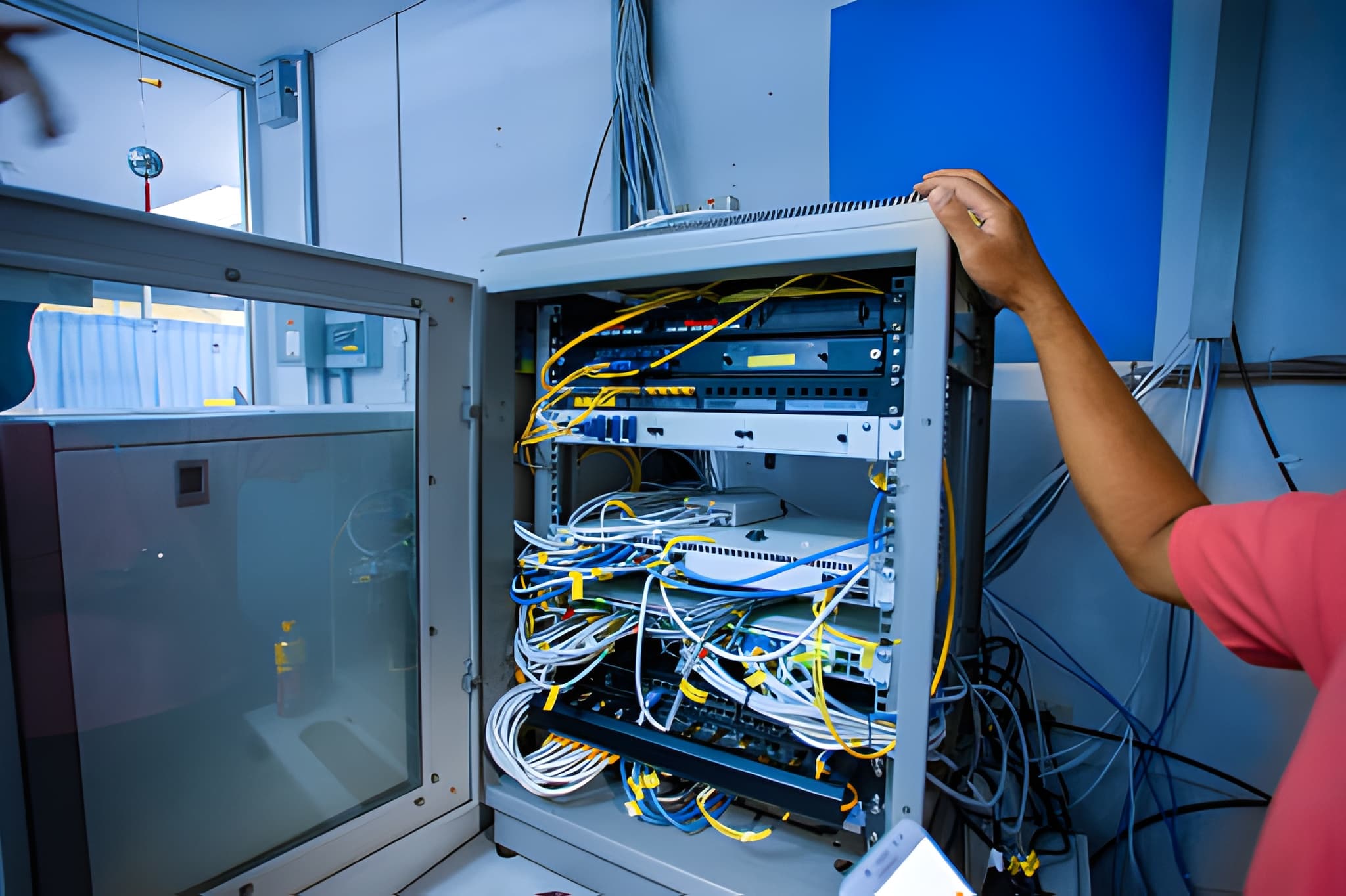
Structured Cabling vs Wireless: Which Is Better for Office Infrastructure?
In today’s digital-first workplace, reliable network infrastructure is no longer optional; it is essential. From cloud-based productivity tools to real-time communication, file storage, and security monitoring, modern offices depend on seamless connectivity.
The foundation of this connectivity is the office network, and businesses must decide between two primary approaches: structured cabling and wireless networking. Both serve critical functions but differ in reliability, performance, scalability, security, and long-term value.
Understanding these differences is essential for organizations seeking to design or upgrade their office infrastructure. This article provides a comprehensive analysis of structured cabling and wireless networks, explores their advantages and limitations, and discusses their appropriate applications in modern workplaces.
A professional structured cabling company that Florida businesses trust can help design infrastructure that scales with your growth. Talk to an expert today and future-proof your network.
What Is Structured Cabling?
Structured cabling is a standardized, organized approach to installing and managing network cabling within a building or campus. Instead of running individual cables for each device or service, structured cabling uses a unified system that supports data, voice, video, and other network services through a common infrastructure.
Core Elements of Structured Cabling
Structured cabling systems are built using several interconnected components:
- Horizontal cabling that runs from workstations to telecommunications rooms
- Backbone cabling that connects floors, equipment rooms, and buildings
- Patch panels and network racks for organization and management
- Telecommunications rooms and equipment rooms for switches and servers
Standards such as TIA/EIA ensure compatibility, performance, and long-term reliability. Once installed, structured cabling creates a clean, scalable foundation that can support changing technologies without requiring complete rewiring.
What Is Wireless Networking?
Wireless networking enables devices to connect to a network without physical cables. Wi-Fi, the most common wireless technology, uses radio frequencies to transmit data between access points and devices such as laptops, tablets, smartphones, and IoT devices. Wireless networks have grown essential in offices because they allow employees to move freely, support flexible workspaces, and provide guest access without extensive cabling.
Unlike structured cabling, wireless networks depend on signal strength, interference levels, and device density. A well-designed IT network can serve hundreds of users, but performance can fluctuate depending on environmental factors, obstacles, and competing signals.
Performance and Reliability
When it comes to performance, structured cabling consistently outperforms wireless networks. Wired connections deliver predictable bandwidth, low latency, and minimal packet loss because data travels through physical cables rather than the air. This makes structured cabling ideal for applications such as file servers, cloud platforms, VoIP systems, video conferencing, and any service that requires real-time communication or high-volume data transfer.
Wireless networks offer convenience and mobility, but often face performance fluctuations. Signal strength can weaken over distance or through walls, and multiple users sharing the same access point may experience reduced speeds during peak hours.
Although modern Wi-Fi standards provide high theoretical speeds, real-world performance is less predictable than wired connections. Reliability is another key differentiator. Wired networks are generally more stable and less susceptible to interference or environmental changes.
Want a smarter, more secure network? Our experts combine structured cabling and wireless solutions with enterprise-grade design. Schedule a consultation today to optimize your office infrastructure.
Scalability and Future-Proofing
Structured cabling is inherently scalable and designed for long-term use. A well-planned cabling infrastructure can support higher bandwidth requirements, new technologies, and additional devices without the need for complete rewiring. For businesses that plan to grow or adopt new applications, structured cabling provides a foundation that can support evolving network demands over a decade or more.
Wireless networks are easy to scale in the short term because adding new devices does not require additional cables. However, as the number of users increases, the network may need more access points, upgraded controllers, or even a redesign to maintain performance.
In high-density office environments, this can introduce complexity that makes wireless networks harder to manage at scale.
Security Considerations
Security is a crucial aspect of office networks, and wired and wireless networks differ significantly in this area. Structured cabling provides strong inherent security because physical access is required to connect to the network. Unauthorized users cannot gain access remotely without connecting to a specific port, making it ideal for sensitive data, financial systems, healthcare information, and other critical applications.
Wireless networks are more vulnerable due to the broadcast nature of Wi-Fi signals. Without proper encryption and authentication, networks can be accessed by outsiders, intercepted, or manipulated.
Advanced cybersecurity protocols, monitoring, and network segmentation are necessary to mitigate these risks. While secure wireless networks are achievable, they generally require more maintenance and vigilance than wired networks.
Cost Considerations
The cost of implementing a network depends on both initial deployment and long-term maintenance. Structured cabling often requires a higher upfront investment due to materials, labor, and planning. However, its longevity and reliability mean that over time, costs tend to stabilize. Maintenance is straightforward, upgrades can often be completed without changing the cabling, and performance remains consistent over the network’s lifespan.
Wireless networks have lower initial costs, especially for small offices or temporary setups, but long-term expenses can rise due to hardware upgrades, access point additions, and ongoing management. Performance tuning and security enhancements may also add to operational costs over time.
Supporting Modern Office Applications
Today’s offices rely on more than just basic connectivity.
- Cloud platforms such as the Microsoft 365 cloud service require stable, high-speed networks.
- Businesses using microsoft 365 service in Florida often benefit from wired backbones that support consistent access.
- Virtualized environments and servers supported by the virtualization service in Florida perform best on reliable cabling.
- Organizations working with a cloud computing service provider need dependable connectivity for uptime and performance.
Structured cabling also plays a critical role in supporting its disaster recovery strategies and comprehensive IT disaster recovery services, ensuring systems can be restored quickly during outages.
Flexibility and Mobility
Wireless networking excels in supporting mobile workstyles. In open offices, hot-desking environments, or spaces with frequent guest access, wireless networks allow employees to connect from anywhere without restrictions. Structured cabling, on the other hand, is best suited for fixed workstations, servers, storage systems, and security equipment.
While wired connections are less flexible, they provide the stability and reliability required for mission-critical systems.
In practice, most modern offices adopt a hybrid approach that leverages the strengths of both technologies. The structured cabling backbone ensures consistent performance and security, while wireless networks offer the flexibility required for mobile and collaborative work environments.
Maintenance and Management
Structured cabling requires minimal maintenance once installed. Proper documentation and labeling allow network administrators to quickly identify issues, make upgrades, or add new devices without disrupting the existing infrastructure.
Wireless networks, by contrast, demand continuous monitoring to ensure coverage, manage interference, and maintain security. Changes in office layout, increased user density, or environmental interference may require adjustments to access point placement and network configuration.
Environmental and Physical Factors
Physical layout and environmental factors influence network performance. Wireless signals can be blocked or degraded by walls, metal structures, or other electronic equipment, while wired connections remain unaffected. In buildings with multiple floors, large spaces, or dense office arrangements, structured cabling provides predictable, stable connectivity that is less influenced by environmental variables.
Choosing Between Structured Cabling and Wireless
There is no single answer that applies to all organizations. The best solution depends on:
- Business size and growth plans
- Types of applications used
- Security requirements
- Budget constraints
- Office layout and user behavior
Structured cabling generally offers superior performance, reliability, and security. Wireless networking provides flexibility and mobility. In most cases, combining both results in the most effective office network.
Visit our About page to speak with specialists who design secure, scalable, and future-ready office infrastructure. Get started today.
Conclusion
Structured cabling and wireless networking each have distinct advantages and limitations. Structured cabling offers reliability, consistent performance, security, and scalability, making it ideal for long-term, mission-critical infrastructure.
Wireless networking provides flexibility, mobility, and convenience, which are essential in modern, dynamic office environments. Understanding the technical differences and operational implications of both systems allows organizations to design networks that meet current needs and adapt to future growth.
FAQs
Is structured cabling still relevant with modern Wi-Fi?
Yes. Structured cabling remains essential for performance, security, and supporting core systems even in wireless-heavy environments.
Can structured cabling and wireless work together?
Absolutely. Most offices use structured cabling as the backbone, with wireless for mobility and convenience.
How long does structured cabling last?
When installed properly, structured cabling can last 10–15 years or more with minimal upgrades.
Is wireless networking secure enough for businesses?
It can be, but only with proper encryption, access controls, and monitoring in place.
Who should design my office network?
A professional IT and network infrastructure provider ensures your system is scalable, secure, and aligned with business needs.

- Essential Cybersecurity Practices for Small Businesses in 2026 - March 19, 2026
- IT Requirements for Law Firms: Security, Compliance & Reliable Networks - March 19, 2026
- Structured Cabling vs Wireless: Which Is Better for Office Infrastructure? - March 19, 2026
- How Healthcare Practices Can Meet HIPAA-Level Security with Managed IT - March 19, 2026
- What Does a Secure Enterprise Network Look Like? - January 23, 2026
- Business Continuity Planning: What Businesses Must Prepare For - January 22, 2026
- How Managed IT Services Reduce Downtime for Growing Businesses - January 21, 2026
- What Should an IT Support SLA Include for Small Businesses? - January 20, 2026
- How Strategic Network Planning is Powering Florida’s Digital Growth - November 19, 2025
- Signs It’s Time to Upgrade Your Network Infrastructure - November 19, 2025